Filter
View system integration details
This page explains how Bypass Valve is classified within Machinery and Equipment Manufacturing. Technical values and manufacturer relationships are research references; confirm the current specification and supplier evidence for each order.
A bypass valve is a critical component within filtration systems that allows fluid to flow around the filter element when pressure differential reaches a predetermined threshold, protecting the system from damage during high-pressure conditions or filter maintenance.
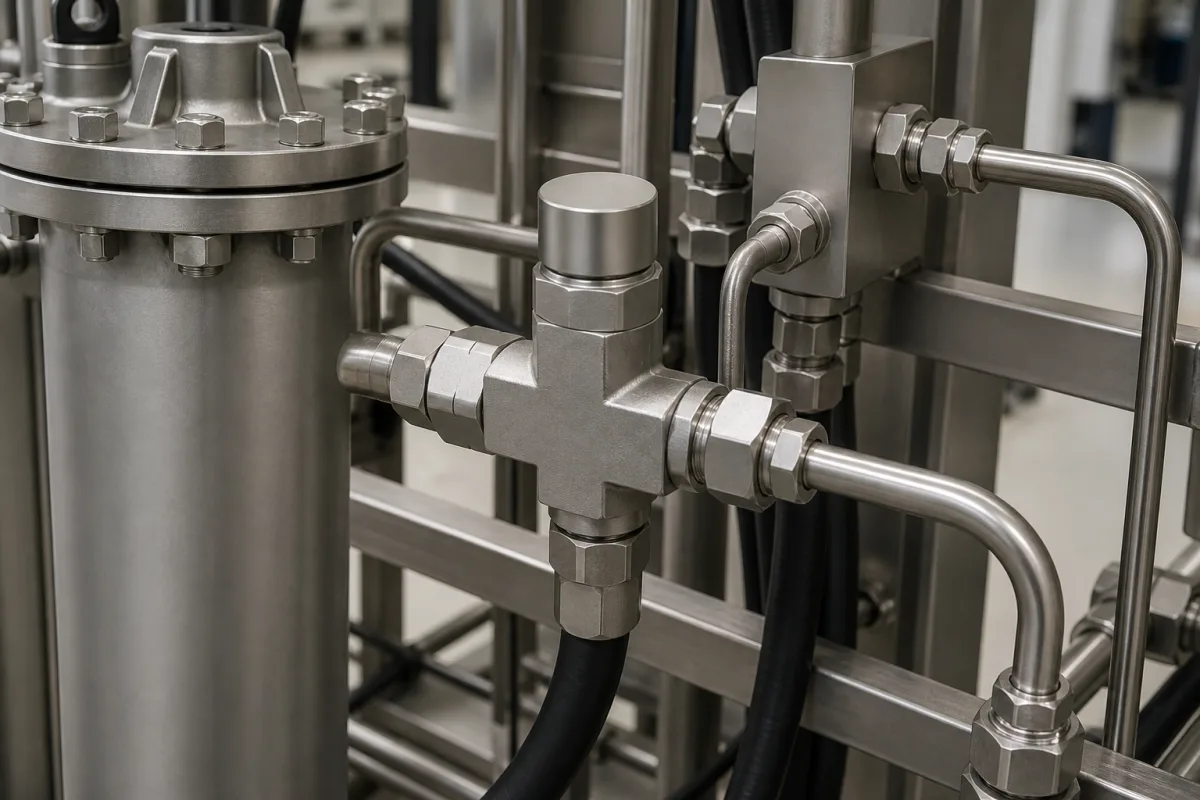
Technical details and manufacturing context for Bypass Valve
| Parameter | Typical range | Notes & selection driver |
|---|---|---|
| Nominal Diameter | 15–100 mm | Standard pipe sizesISO 6708 |
| Operating Temperature | -20–120 °C | Seal material limits |
| Cracking Pressure | 0.05–0.35 MPa | Set per system requirement |
| Leakage Rate | ≤0.1 % | At rated pressureISO 5208 |
| Flow Coefficient | 2.5–100 Cv | Full open |
| Body Material | WCB/CF8/CF8M | Carbon or stainless steelASTM A216/A351 |
| Seat Material | PTFE/PPL | Chemical compatibility |
| Connection Type | Flanged/Threaded | Flange rating per pressure classISO 7005 |
| Weight | 2–50 kg | Depends on size and material |
Ranges are indicative industry figures for RFQ preparation, not a supplier commitment. Confirm every value and standard with the legal manufacturer before ordering.
This component is essential for the following industrial systems and equipment:
| pressure: | Up to 150 psi |
| flow rate: | 10-500 GPM |
| temperature: | -20°C to 150°C |
| slurry concentration: | Up to 20% solids by weight |
Indicative industry ranges for design and RFQ preparation. Confirm the exact figures and applicable standard with the manufacturer before specifying.
Quoted from the published standard.
3 companies list this product among what they make. Company figures are quoted from each company's own website; every card states where the relationship came from.
Manufacturer listings support early research and capability understanding. They are not certification, ranking, or transaction guarantees.
A practical evidence checklist for RFQ preparation and supplier evaluation.
CNFX does not score or rank suppliers. Buyers must verify all claims and documents with the legal manufacturer before ordering.
A bypass valve protects the filter and system from damage by diverting fluid flow around the filter element when the pressure differential exceeds a set threshold. This ensures continuous flow during high-pressure conditions or maintenance.
It operates automatically based on the pressure difference across the filter. When the differential pressure exceeds the cracking pressure, the valve opens, creating an alternative flow path. When pressure normalizes, it closes.
Common materials include stainless steel, brass, and carbon steel. Body material grades may include WCB, CF8, or CF8M, and seat materials may be PTFE or PPL, depending on chemical compatibility.
Key parameters include nominal diameter, operating pressure, temperature range, cracking pressure, leakage rate, flow coefficient, body and seat materials, connection type, and weight. Always confirm these values with the manufacturer for your specific application.
Editorial classification, named public sources where available, and source-reviewed manufacturer records.
Ask for use case, specification boundaries, supplier type, and RFQ preparation information for this product.
Compare manufacturer profiles with relevant product and process capability.