Based on aggregated insights from structured factory profiles within the CNFX directory, the standard Electrolytic Cell Cathode Bar used in the Basic Metal Manufacturing sector typically supports operational capacities ranging from standard industrial configurations to heavy-duty production requirements.
A canonical Electrolytic Cell Cathode Bar is characterized by the integration of Bar Body and Connection Lug. In industrial production environments, manufacturers listed on CNFX commonly emphasize Copper Alloy C11000 construction to support stable, high-cycle operation across diverse manufacturing scenarios.
Conductive bar connecting cathode plates in non-ferrous metal electrolysis cells.
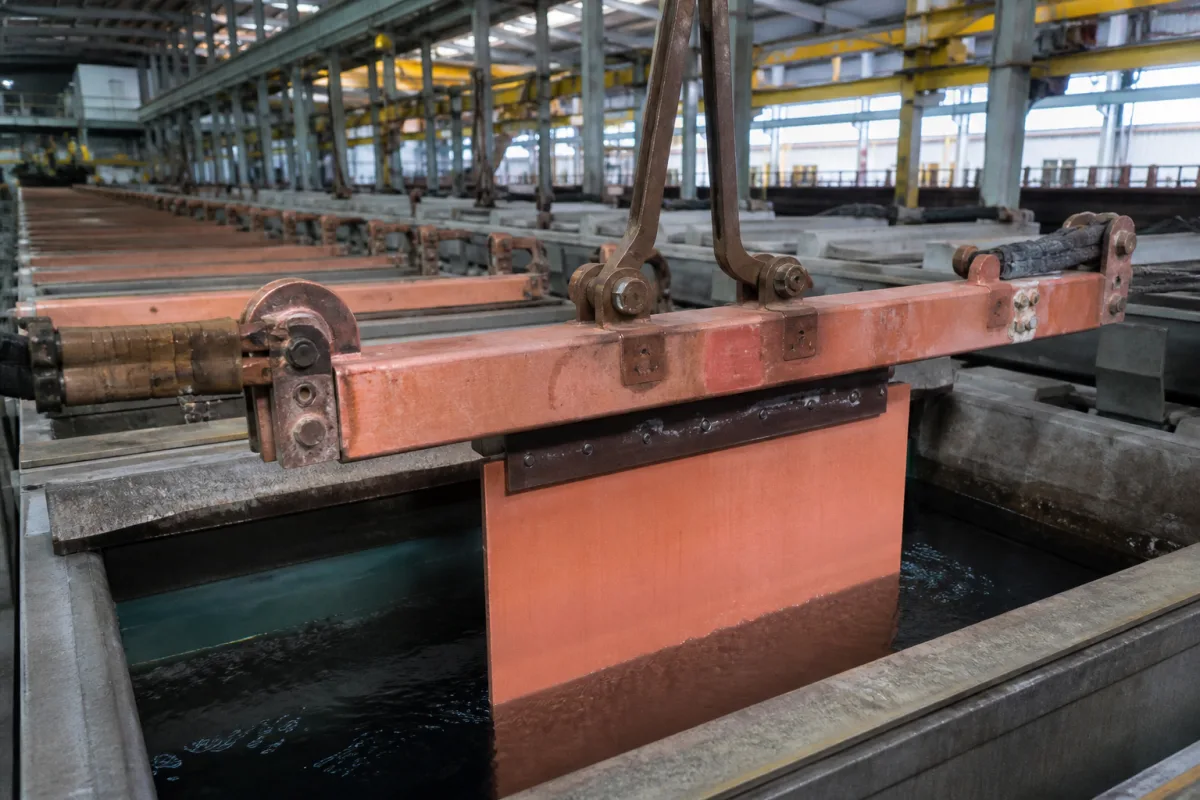
Technical details and manufacturing context for Electrolytic Cell Cathode Bar
Commonly used trade names and technical identifiers for Electrolytic Cell Cathode Bar.
| pressure: | Atmospheric to 1.5 bar (cell pressure) |
| other spec: | Current density: 200-400 A/m², Slurry concentration: 30-50% solids by weight |
| temperature: | Ambient to 95°C (typical electrolyte operating range) |
Manufacturer profiles with relevant production capability in China
Manufacturer listings support early research and capability understanding. They are not certification, ranking, or transaction guarantees.
Not customer reviews or live demand data. These dimensions support RFQ preparation and supplier evaluation.
These scores are example evaluation dimensions, not real customer ratings, country-specific buyer feedback, or live inquiry activity.
Copper alloy C11000 offers excellent electrical conductivity (100% IACS minimum), high corrosion resistance in electrolytic environments, and superior thermal stability, ensuring reliable performance in non-ferrous metal production cells.
The cross-sectional area directly determines current-carrying capacity and voltage drop. Proper sizing minimizes energy loss, reduces heating, and maintains consistent metal deposition on cathode plates during electrolysis.
Regular inspection for surface oxidation, verification of clamp tightness, and monitoring of connection lug integrity. Insulation sleeves should be checked for degradation, especially at high operating temperatures.
CNFX is an open directory, not a transaction platform. Each factory profile provides direct contact information and production details to help you initiate direct inquiries with Chinese suppliers.
CNFX manufacturer profiles, technical classification, publicly available product information, and ongoing plausibility checks.
Ask for use case, specification boundaries, supplier type, and RFQ preparation information for Electrolytic Cell Cathode Bar.
Compare manufacturer profiles with relevant product and process capability.