Editorial Technical Reference

Continuous Casting Machine for Non-Ferrous Metals

This page explains how Continuous Casting Machine for Non-Ferrous Metals is classified within Non-Ferrous Metal Production. Technical values and manufacturer relationships are research references; confirm the current specification and supplier evidence for each order.

Technical Definition & Core Assembly

Industrial machine that continuously solidifies molten non-ferrous metals into semi-finished shapes.

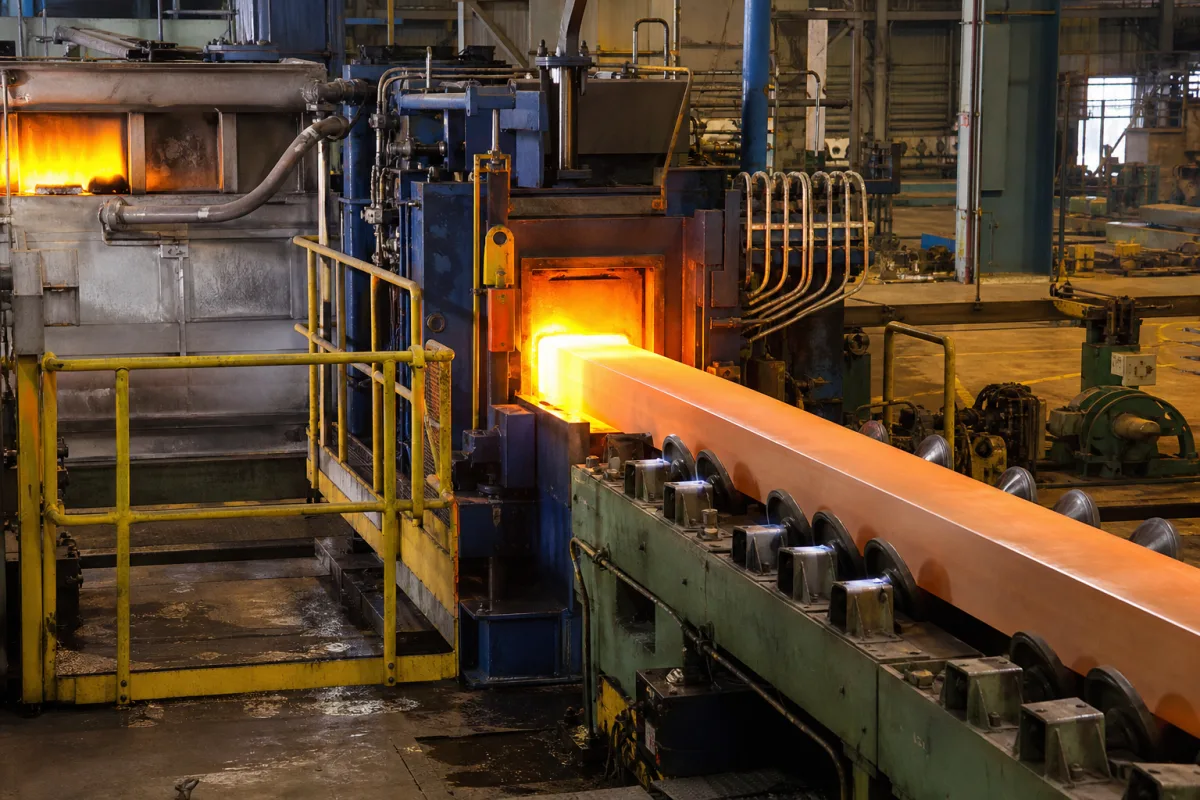
Continuous Casting Machine for Non-Ferrous Metals in a manufacturing environment
Representative product image. Confirm appearance and specifications with the manufacturer.

Product Specifications

Technical details and manufacturing context for Continuous Casting Machine for Non-Ferrous Metals

Definition
A continuous casting machine is a critical industrial equipment used in non-ferrous metal production facilities to transform molten metals like aluminum, copper, zinc, and lead into continuous strands, billets, or slabs. This machine enables high-volume production with consistent cross-sectional dimensions and improved metallurgical properties compared to traditional batch casting methods. It serves as a key link between smelting operations and downstream rolling or extrusion processes in B2B metal manufacturing supply chains. The equipment reduces material waste, energy consumption, and labor requirements while increasing production throughput for metal producers. The machine typically consists of a tundish, a water-cooled mold, secondary cooling zones, withdrawal rolls, and a cutting torch. Molten metal is poured into the mold where it solidifies at the surface, forming a shell, and is then continuously withdrawn through the secondary cooling zones to complete solidification before being cut to length. The cross-section dimensions can range from 100×100 mm to 300×300 mm, with casting speeds between 0.5 and 2.0 m/min. Cooling water flow rates are typically 80–150 m³/h, and the mold length is 500–800 mm. The machine operates at casting temperatures of 650–950 °C, depending on the metal (aluminum, copper, zinc alloys). Mold oscillation frequency is adjustable between 60 and 200 min⁻¹ to improve surface quality. The machine requires a three-phase electrical supply of 380–480 V AC (50/60 Hz) and consumes 45–90 kW of power. The operating pressure for hydraulic systems is 1.0–1.6 MPa, and the cooling water inlet temperature should be 20–35 °C. The machine footprint is 20–35 m², and its weight is approximately 15–25 t. Tolerances on cross-section for aluminum billets are ±0.5–±1.0 mm, per GB/T 1196. All values are reference ranges and must be verified with the manufacturer for specific models and applications. The machine is constructed with high-temperature steel alloys, copper mold plates, refractory lining, and a stainless steel frame. It is essential to confirm model-specific parameters and compliance with applicable standards before procurement.
Working Principle
Molten metal is poured into a water-cooled mold where it solidifies at the surface, forming a solid shell. The strand is continuously withdrawn through secondary cooling zones, where water sprays complete solidification. The solidified strand is then cut to length by a torch or shear. The mold oscillates to prevent sticking and improve surface quality. The process is continuous, allowing high production rates with consistent cross-section.
Common Materials
High-Temperature Steel Alloy, Copper Mold Plates, Refractory Lining, Stainless Steel Frame
Technical Parameters
ParameterTypical rangeNotes & selection driver
Maximum Casting SpeedRequired0.5–2.0 m/minHighest linear speed achievable for product withdrawal
Cross-Section DimensionsRequired100×100–300×300 mmWidth and thickness/ diameter of cast product
Cooling Water Flow RateRequired80–150 m³/hVolume of cooling water circulated through mold and secondary cooling
Mold LengthRequired500–800 mmLength of primary water-cooled mold section
Power Consumption45–90 kWElectrical power required for drives, pumps, and controls
Machine Footprint20–35 Floor space required for installation including maintenance access
Casting Temperature650–950 °CDepends on metal: Al, Cu, Zn alloys
Mold Oscillation Frequency60–200 min⁻¹Adjustable for surface quality
Tolerance on Cross-Section±0.5–±1.0 mmFor aluminum billetsGB/T 1196
Electrical Supply380–480 V ACThree-phase, 50/60 HzIEC 60038
Cooling Water Temperature20–35 °CInlet temperature for secondary cooling
Machine Weight15–25 tApproximate, depends on configuration

Ranges are indicative industry figures for RFQ preparation, not a supplier commitment. Confirm every value and standard with the legal manufacturer before ordering.

Components / BOM
  • Water-Cooled Mold
    Initial solidification of molten metal into desired cross-section
    Material: Copper alloy with chromium plating
  • Withdrawal Unit
    Continuous extraction of solidified strand from mold
    Material: Hardened steel rollers with hydraulic drives
  • Secondary Cooling System
    Complete solidification through water spray or air mist cooling
    Material: Stainless steel nozzles and piping
  • Cutting System
    Shearing or sawing of continuous strand into specified lengths
    Material: Tungsten carbide blades or hydraulic shears
  • Control System
    Automated regulation of casting parameters and process monitoring
    Material: PLC with HMI interface

Industry Taxonomies & Aliases

Commonly used trade names and technical identifiers for Continuous Casting Machine for Non-Ferrous Metals.

Industrial Ecosystem & Supply Chain Structure

Complementary Systems
Downstream Applications
Specialized Tooling

Application Fit & Sizing Matrix

Operational Limits
pressure: Atmospheric to 0.5 bar (mold cooling system)
flow rate: 0.5-10 tons/hour (continuous casting speed)
temperature: 400-1200°C (depending on metal alloy)
slurry concentration: Not applicable (handles molten metals only)
Media Compatibility
✓ Copper alloys (bronze, brass) ✓ Aluminum alloys ✓ Zinc alloys
Unsuitable: Ferrous metals (steel, iron) due to higher melting points and different solidification characteristics
Sizing Data Required
  • Required production capacity (tons/hour)
  • Desired cross-section dimensions (mm)
  • Alloy solidification characteristics (cooling rate requirements)

Reliability & Engineering Risk Analysis

Failure Mode & Root Cause
Thermal fatigue cracking
Cause: Repeated heating and cooling cycles from molten metal contact and water cooling cause stress concentration and crack initiation in mold copper plates and cooling system components.
Sticking and breakout
Cause: Inadequate mold lubrication, improper mold taper, or uneven cooling leading to solid shell sticking to mold walls and subsequent rupture of the partially solidified strand.
Maintenance Indicators
  • Visible surface defects on cast product (e.g., longitudinal cracks, rhomboidity, or oscillation marks)
  • Abnormal vibration or knocking sounds from mold oscillator or withdrawal unit during operation
Engineering Tips
  • Implement predictive maintenance using thermal imaging to monitor mold temperature distribution and detect hot spots before thermal fatigue failure occurs.
  • Optimize mold lubrication system with automated monitoring of lubricant flow rates and pressures to prevent sticking while minimizing lubricant consumption and contamination.

Indicative industry ranges for design and RFQ preparation. Confirm the exact figures and applicable standard with the manufacturer before specifying.

Compliance & Manufacturing Standards

Applicable Standards
ASTM B505/B505M - Standard Specification for Copper Alloy Continuous Castings CE Marking - Machinery Directive 2006/42/EC

Quoted from the published standard.

Manufacturing Precision
  • Casting thickness: +/- 0.5% of nominal dimension
  • Roller alignment: +/- 0.1mm over 1 meter length
Quality Inspection
  • Ultrasonic testing for internal defects in cast sections
  • Chemical composition analysis via Optical Emission Spectrometry

Manufacturers of Continuous Casting Machine for Non-Ferrous Metals

Manufacturer profiles associated with Continuous Casting Machine for Non-Ferrous Metals.

Sourcing Continuous Casting Machine for Non-Ferrous Metals from China?
Tell us your specification and target quantity — we will match it against manufacturer records and come back with the factories that fit.
Request manufacturers We manufacture this

Manufacturer listings support early research and capability understanding. They are not certification, ranking, or transaction guarantees.

Share this page
Technical documentation
Request current drawings, revision history, and a signed specification sheet.
Manufacturing capability
Verify equipment lists, process limits, capacity, and representative production evidence.
Inspection readiness
Confirm test methods, calibrated equipment, sampling plans, and traceable reports.
Supplier transparency
Check the legal entity, factory address, ownership, certifications, and direct contacts.

CNFX does not score or rank suppliers. Buyers must verify all claims and documents with the legal manufacturer before ordering.

Frequently Asked Questions

What metals can be cast with this machine?

The machine is designed for non-ferrous metals such as aluminum, copper, zinc, and lead alloys. The casting temperature range of 650–950 °C depends on the specific metal or alloy being processed.

What are the typical cross-section dimensions?

The cross-section dimensions can range from 100×100 mm to 300×300 mm, depending on the product requirements. The tolerance for aluminum billets is ±0.5–±1.0 mm, per GB/T 1196.

What is the required cooling water flow rate?

The cooling water flow rate is typically 80–150 m³/h, circulated through the mold and secondary cooling zones. The inlet temperature should be 20–35 °C.

What electrical supply is needed?

The machine requires a three-phase electrical supply of 380–480 V AC, 50/60 Hz, with a power consumption of 45–90 kW. The operating pressure for hydraulic systems is 1.0–1.6 MPa.

Data Basis

Editorial classification, named public sources where available, and source-reviewed manufacturer records.

Preliminary Technical Classification
This page supports structured research, RFQ preparation, and supplier evaluation. It does not replace buyer-led supplier qualification, standards review, or technical approval.
Buyer enquiry

Request manufacturing insight for Continuous Casting Machine for Non-Ferrous Metals

Ask for use case, specification boundaries, supplier type, and RFQ preparation information for this product.

Where it goes
Straight to the CNFX editorial desk, and to the manufacturer if this product is linked to a claimed profile. Nothing is broadcast to a supplier list.
Your details stay here
We do not sell or rent enquiry data, and we do not add you to a mailing list. Used only to answer this request.
No commission, no middleman
CNFX is a directory. We take no cut of any order and never negotiate on a supplier's behalf.
What we don't claim
A listing is not an endorsement. Qualify every supplier and verify every figure yourself before ordering.

Your business information is used only to process this request.

Thank you! Your message has been sent. We'll respond within 1–3 business days.
Sorry, we couldn't send your message. Please try again, or email us at [email protected].

Need to Manufacture Continuous Casting Machine for Non-Ferrous Metals?

Compare manufacturer profiles with relevant product and process capability.

Previous Product
Non-Ferrous Metal Induction Melting Furnace
Last Product
Get QuotesChat