Editorial Technical Reference

Road Recycling Machine

This page explains how Road Recycling Machine is classified within Machinery and Equipment Manufacturing. Technical values and manufacturer relationships are research references; confirm the current specification and supplier evidence for each order.

Technical Definition & Core Assembly

A heavy-duty construction machine designed to recycle existing asphalt pavement by milling, crushing, mixing, and relaying it in a single continuous operation.
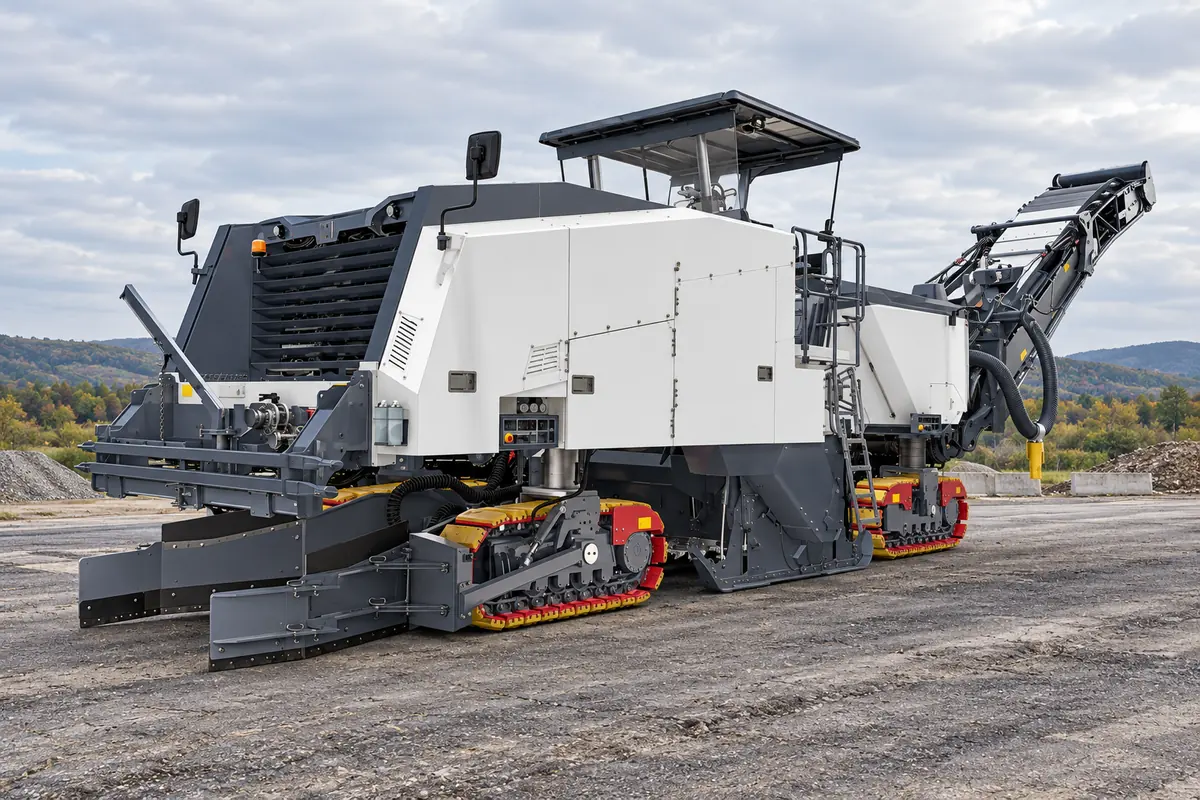
Representative product image. Confirm appearance and specifications with the manufacturer.

Product Specifications

Technical details and manufacturing context for Road Recycling Machine

Definition
A road recycling machine is a specialized construction equipment that performs cold in-place recycling of asphalt pavements. It mills the existing road surface to a specified depth, crushes the reclaimed asphalt pavement (RAP), mixes it with binding agents or additives as needed, and then lays the recycled material back onto the roadbed, creating a new base layer or wearing surface. This process is carried out in a single continuous operation, minimizing traffic disruption and reducing the need for new materials. The machine is typically used for road rehabilitation and maintenance, offering an efficient and environmentally friendly alternative to traditional removal and replacement methods. Key components include a milling drum with cutting teeth, internal crushers or pulverizers, a mixing chamber, and integrated screeds and compactors. The machine is powered by a diesel engine and operates on tracked or wheeled chassis, depending on the model. It is designed to handle various asphalt conditions and can adjust milling depth and speed to suit different pavement hardness. The recycled material is often mixed with binding agents such as asphalt emulsion, foamed asphalt, or cement to achieve the desired structural properties. The resulting pavement layer can serve as a base or wearing surface, extending the road's service life. Road recycling machines are available in different sizes and configurations, with working widths typically ranging from 2000 to 2500 mm and maximum recycling depths from 300 to 500 mm. Engine power typically ranges from 400 to 600 kW, and operating weight from 30,000 to 50,000 kg. These machines are essential for sustainable road infrastructure management, reducing waste and conserving natural resources. For specific model details, performance data, and applicable standards, it is essential to consult the legal manufacturer or supplier.
Working Principle
The machine operates by first using a milling drum with cutting teeth to remove the existing asphalt pavement to a controlled depth. The reclaimed material is then crushed and sized by internal crushers or pulverizers. Binding agents (such as asphalt emulsion, foamed asphalt, or cement) are added and mixed with the RAP in a mixing chamber. Finally, the recycled mixture is spread and compacted by integrated screeds and compactors to form a new pavement layer. The milling drum speed and travel speed are adjustable to match the hardness of the asphalt and the desired output. The entire process is continuous, allowing for efficient recycling of the road surface in a single pass.
Common Materials
High-strength steel, Tungsten carbide, Hardened alloy steel
Technical Parameters
ParameterTypical rangeNotes & selection driver
Working WidthRequired2000–2500 metersWidth of pavement that can be recycled in a single pass
Maximum Recycling DepthRequired300–500 millimetersMaximum depth to which the machine can mill and recycle existing pavement
Engine PowerRequired400–600 kilowattsTotal power output of the machine's engine
Operating WeightRequired30000–50000 kilogramsTotal weight of the machine including all standard equipment
Travel SpeedRequired0–5 meters per minuteMaximum forward and reverse travel speed during operation
Milling Drum Diameter1000–1500 mmAffects cutting force and depth
Milling Drum Speed0–120 rpmVariable speed for different asphalt hardness
Recycling Capacity200–400 t/hThroughput of recycled material
Operating Temperature-20–50 °CTypical ambient operating range
Electrical System Voltage24 V DCStandard for heavy machinery
Fuel Tank Capacity800–1200 LEnables long operation between refuels
Water Spray System Pressure0.5–1.0 MPaFor dust suppression

Ranges are indicative industry figures for RFQ preparation, not a supplier commitment. Confirm every value and standard with the legal manufacturer before ordering.

Components / BOM
  • Milling Drum
    Rotating drum with cutting teeth that removes and pulverizes existing asphalt pavement
    Material: High-strength steel with tungsten carbide cutting tips
  • Crusher/Pulverizer
    Further reduces the size of reclaimed asphalt pavement particles to specified gradation
    Material: Hardened alloy steel
  • Mixing Chamber
    Where reclaimed asphalt pavement is mixed with binding agents or additives
    Material: Abrasion-resistant steel
  • Binder System
    Stores and precisely meters binding agents (asphalt emulsion, foamed asphalt, cement slurry) into the mixing process
    Material: Stainless steel tanks and piping
  • Screed
    Spreads and levels the recycled asphalt mixture to the desired thickness and cross-section
    Material: Steel with heated plates
  • Compaction System
    Compacts the recycled asphalt layer to achieve required density
    Material: Steel with vibration mechanisms
  • Water System
    Provides water for dust suppression and optimal moisture content in the recycled mix
    Material: Stainless steel tanks and pumps
  • Grade and Slope Control
    Automated system that maintains proper grade, slope, and depth during recycling operations
    Material: Electronic components with steel mounting hardware

Industry Taxonomies & Aliases

Commonly used trade names and technical identifiers for Road Recycling Machine.

Industrial Ecosystem & Supply Chain Structure

Complementary Systems
Downstream Applications
Specialized Tooling

Application Fit & Sizing Matrix

Operational Limits
pressure: Hydraulic system: 200-350 bar, milling drum force: 15-30 kN per cutting tool
flow rate: Material throughput: 200-800 tons/hour, hydraulic flow: 200-400 L/min
temperature: 5°C to 40°C (operating ambient), asphalt mix temperature: 120°C to 160°C
slurry concentration: Recycled asphalt mix: 92-98% solids, emulsion additive: 2-8% by weight
Media Compatibility
✓ Asphalt pavement (HMA) ✓ Bituminous base layers ✓ Stabilized aggregate bases
Unsuitable: Concrete pavement (requires different milling/crushing mechanism)
Sizing Data Required
  • Project road width (meters)
  • Required recycling depth (millimeters)
  • Daily production target (tons/day)

Reliability & Engineering Risk Analysis

Failure Mode & Root Cause
Cutter drum bearing seizure
Cause: Inadequate lubrication and contamination ingress from road debris, leading to overheating and metal-to-metal contact.
Hydraulic system overheating and pump cavitation
Cause: Clogged filters, low fluid levels, or air ingress causing fluid starvation and vapor bubble formation, leading to component erosion and loss of pressure.
Maintenance Indicators
  • Excessive vibration or unusual grinding noises from the cutter drum assembly during operation.
  • Sudden drop in hydraulic pressure or visible fluid leaks around hoses, fittings, or actuators.
Engineering Tips
  • Implement a strict lubrication schedule using high-temperature, water-resistant greases for bearings and seals, and conduct regular contamination analysis of hydraulic fluids.
  • Install real-time vibration and temperature sensors on the cutter drum and hydraulic system to enable predictive maintenance and early fault detection.

Indicative industry ranges for design and RFQ preparation. Confirm the exact figures and applicable standard with the manufacturer before specifying.

Compliance & Manufacturing Standards

Applicable Standards
ANSI/ASME B46.1-2019 Surface Texture

Quoted from the published standard.

Manufacturing Precision
  • Cutting Drum Diameter: +/- 2 mm
  • Frame Welding Alignment: +/- 1.5 mm per meter
Quality Inspection
  • Non-Destructive Testing (NDT) - Ultrasonic Testing of Critical Welds
  • Material Verification - Spectrochemical Analysis of Cutting Teeth Alloy

Manufacturers of Road Recycling Machine

Manufacturer profiles associated with Road Recycling Machine.

Sourcing Road Recycling Machine from China?
Tell us your specification and target quantity — we will match it against manufacturer records and come back with the factories that fit.
Request manufacturers We manufacture this

Manufacturer listings support early research and capability understanding. They are not certification, ranking, or transaction guarantees.

Technical documentation
Request current drawings, revision history, and a signed specification sheet.
Manufacturing capability
Verify equipment lists, process limits, capacity, and representative production evidence.
Inspection readiness
Confirm test methods, calibrated equipment, sampling plans, and traceable reports.
Supplier transparency
Check the legal entity, factory address, ownership, certifications, and direct contacts.

CNFX does not score or rank suppliers. Buyers must verify all claims and documents with the legal manufacturer before ordering.

Supply Chain Commonly Integrated Components

Air Handling Unit

A device that conditions and circulates air as part of a heating, ventilation, and air conditioning (HVAC) system

Explore Specs →
Cleaning-in-Place (CIP) System

An automated cleaning system that cleans processing equipment without disassembly, using spray nozzles, pumps, and cleaning solutions to remove residues and contaminants.

Explore Specs →
Vacuum System

A vacuum system that creates and maintains a controlled low-pressure environment for lyophilization by removing air and moisture from the chamber.

Explore Specs →
Refrigeration System

A refrigeration system that provides controlled cooling to maintain low temperatures required for the lyophilization process in pharmaceutical manufacturing.

Explore Specs →

Frequently Asked Questions

What is the typical working width of a road recycling machine?

According to the directory reference, the working width typically ranges from 2000 to 2500 mm. However, this is a general range and may vary by model. Always verify the exact working width with the legal manufacturer or supplier for the specific machine you are considering.

What materials are used in the construction of the machine?

The machine is typically constructed using high-strength steel for the main frame, tungsten carbide for cutting teeth, and hardened alloy steel for wear parts. These materials are selected for durability and resistance to abrasion. For specific material grades and specifications, consult the manufacturer.

What is the maximum recycling depth?

The maximum recycling depth is typically in the range of 300 to 500 mm, depending on the model and configuration. This depth can be adjusted to suit the pavement condition and project requirements. Always refer to the manufacturer's specifications for the exact depth capability.

How does the machine handle binding agents?

The machine is equipped with a mixing chamber where binding agents such as asphalt emulsion, foamed asphalt, or cement are added and mixed with the reclaimed asphalt pavement. The dosage and type of binding agent depend on the project design and are controlled by the machine's operating system. For specific capabilities, consult the manufacturer.

Data Basis

Editorial classification, named public sources where available, and source-reviewed manufacturer records.

Preliminary Technical Classification
This page supports structured research, RFQ preparation, and supplier evaluation. It does not replace buyer-led supplier qualification, standards review, or technical approval.
Buyer enquiry

Request manufacturing insight for Road Recycling Machine

Ask for use case, specification boundaries, supplier type, and RFQ preparation information for this product.

Where it goes
Straight to the CNFX editorial desk, and to the manufacturer if this product is linked to a claimed profile. Nothing is broadcast to a supplier list.
Your details stay here
We do not sell or rent enquiry data, and we do not add you to a mailing list. Used only to answer this request.
No commission, no middleman
CNFX is a directory. We take no cut of any order and never negotiate on a supplier's behalf.
What we don't claim
A listing is not an endorsement. Qualify every supplier and verify every figure yourself before ordering.

Your business information is used only to process this request.

Thank you! Your message has been sent. We'll respond within 1–3 business days.
Sorry, we couldn't send your message. Please try again, or email us at contact@cnfx.com.

Need to Manufacture Road Recycling Machine?

Compare manufacturer profiles with relevant product and process capability.

Previous Product
Rinsing Tanks
Next Product
Road Roller
Get QuotesChat