Container Identification System
View system integration details
This page explains how RFID Reader/Scanner is classified within Computer, Electronic and Optical Product Manufacturing. Technical values and manufacturer relationships are research references; confirm the current specification and supplier evidence for each order.
An electronic device that wirelessly reads and writes data to RFID tags attached to containers for identification and tracking purposes.
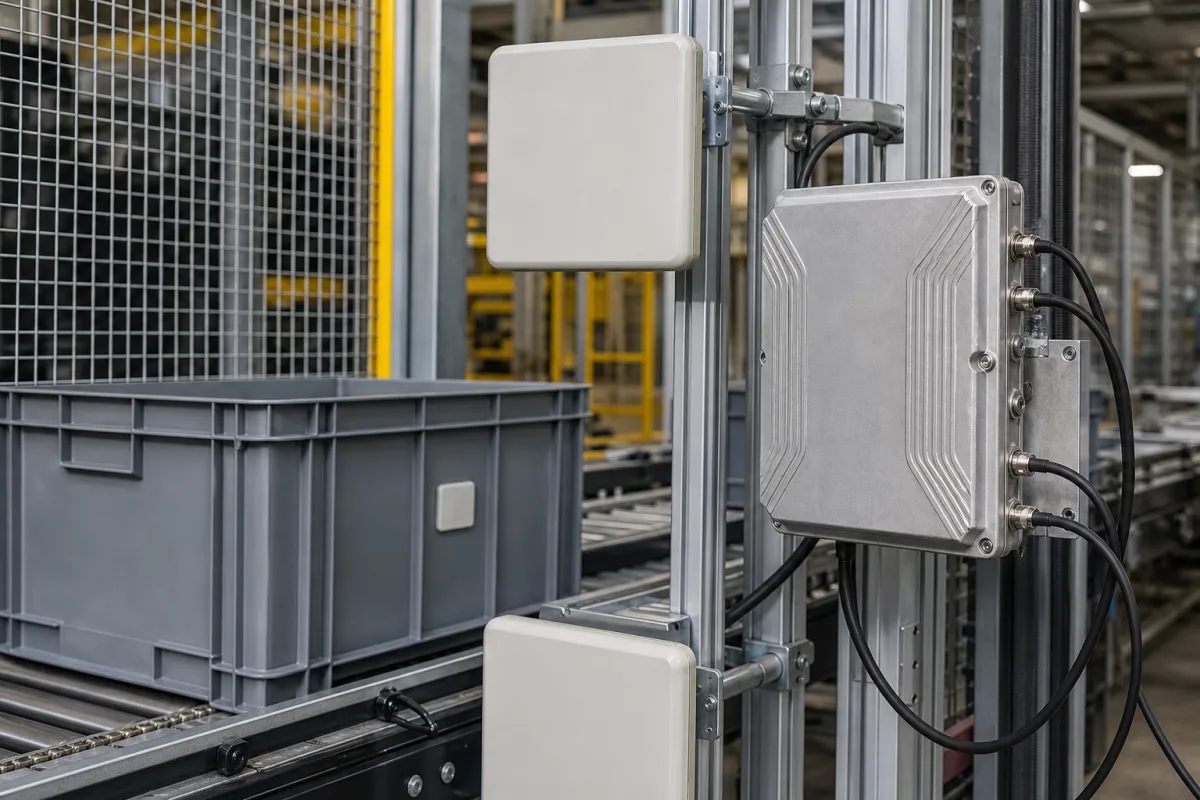
Technical details and manufacturing context for RFID Reader/Scanner
| Parameter | Typical range | Notes & selection driver |
|---|---|---|
| Operating Frequency | 860–960 MHz | UHF band for global useISO/IEC 18000-63 |
| Read Range | 0.5–10 m | Depends on tag and environment |
| Write Range | 0.3–5 m | Typically shorter than read range |
| RF Output Power | 10–30 dBm | Adjustable per region |
| Communication Interface | RS232, RS485, USB, Ethernet | Multiple options for integration |
| Supply Voltage | 9–36 V DC | Wide input range |
| Power Consumption | 5–15 W | Typical operation |
| Operating Temperature | -20–55 °C | Industrial grade |
| Storage Temperature | -40–85 °C | Non-operational |
| Humidity | 10–90 % RH | Non-condensing |
| Ingress Protection | IP54–IP65 | Dust and water resistantIEC 60529 |
| Dimensions | 150×100×30 mm | Typical compact size |
| Weight | 300–500 g | Depends on model |
Ranges are indicative industry figures for RFQ preparation, not a supplier commitment. Confirm every value and standard with the legal manufacturer before ordering.
| pressure: | Atmospheric (non-pressurized) |
| other spec: | Read range: 0-10m, IP rating: IP65/IP67 |
| temperature: | -20°C to +55°C (operating), -40°C to +85°C (storage) |
Indicative industry ranges for design and RFQ preparation. Confirm the exact figures and applicable standard with the manufacturer before specifying.
Quoted from the published standard.
A practical evidence checklist for RFQ preparation and supplier evaluation.
Compare the published product scope and source details, then include your specifications and quantity in an enquiry.
Manufacturer profiles associated with RFID Reader/Scanner.
Explore company information and manufacturing capabilities, then discuss the scope of your project with a relevant supplier.
Ask for use case, specification boundaries, supplier type, and RFQ preparation information for this product.
The operating frequency is 860–960 MHz, which falls in the UHF band and is referenced to ISO/IEC 18000-63. This range is intended for global use, but actual frequency allocation may vary by region. Always verify the specific frequency settings with the manufacturer for your deployment area.
The read range is specified as 0.5 to 10 meters, depending on the tag type and environmental conditions. Factors such as tag orientation, interference, and reader power settings can affect the actual range. It is recommended to test with your specific tags and environment.
The device supports RS232, RS485, USB, and Ethernet interfaces. This provides flexibility for integration into various systems. The choice of interface depends on your existing infrastructure and data communication requirements. Confirm the available options for the specific model.
The operating temperature range is -20 to 55 °C, storage temperature is -40 to 85 °C, and humidity is 10–90% RH (non-condensing). The ingress protection rating is IP54–IP65, indicating dust and water resistance. These are reference values; verify the exact ratings for your model.
This component is essential for the following industrial systems and equipment:
Editorial classification, named public sources where available, and source-reviewed manufacturer records.
Compare manufacturer profiles with relevant product and process capability.