Granite Base Platform
View system integration details
This page explains how Leveling Feet/Adjusters is classified within Machinery and Equipment Manufacturing. Technical values and manufacturer relationships are research references; confirm the current specification and supplier evidence for each order.
Adjustable support components used to level and stabilize granite base platforms.
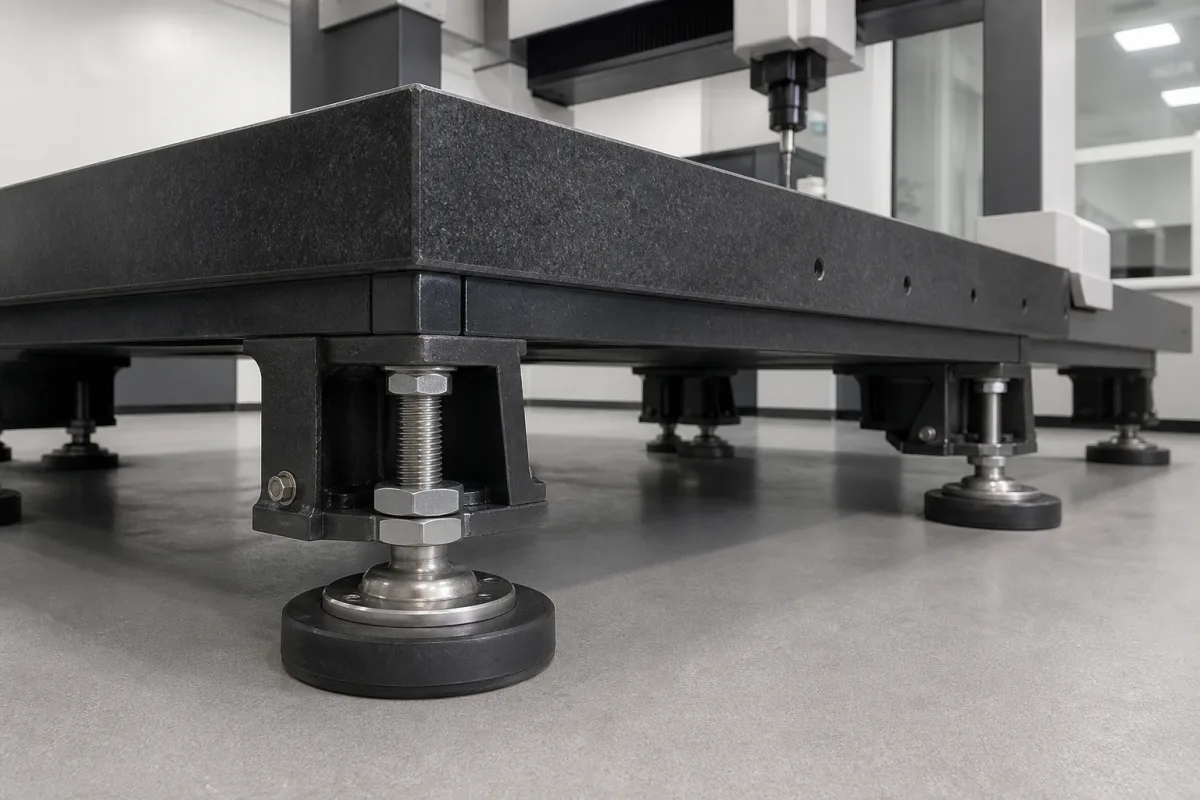
Technical details and manufacturing context for Leveling Feet/Adjusters
What to specify in your RFQ
These are the quantities to specify to the manufacturer when sizing or requesting a quote. The manufacturer's own documentation governs the exact figures and applicable standard.
| pressure: | Static load capacity: 50-5000 kg per foot (varies by model) |
| other spec: | Adjustment range: 10-100 mm vertical travel, corrosion resistance class: C3-C5 |
| temperature: | -40°C to +80°C (standard materials) |
Indicative industry ranges for design and RFQ preparation. Confirm the exact figures and applicable standard with the manufacturer before specifying.
Quoted from the published standard.
A practical evidence checklist for RFQ preparation and supplier evaluation.
Compare the published product scope and source details, then include your specifications and quantity in an enquiry.
Manufacturer profiles associated with Leveling Feet/Adjusters.
Explore company information and manufacturing capabilities, then discuss the scope of your project with a relevant supplier.
Ask for use case, specification boundaries, supplier type, and RFQ preparation information for this product.
The adjustment range is typically 10-50 mm, but this varies by model. Always confirm the exact range with the manufacturer or supplier for your specific application.
Common materials include stainless steel, carbon steel, and rubber. The choice depends on factors like load capacity, environmental conditions, and vibration damping requirements.
Signs include difficulty in adjusting, instability of the platform, visible wear or corrosion, or failure of the locking mechanism. Regular inspection is recommended to ensure proper function.
No specific standards are listed for this product. However, you should verify with the manufacturer or supplier if any industry standards apply to your application.
This component is essential for the following industrial systems and equipment:
Editorial classification, named public sources where available, and source-reviewed manufacturer records.
Compare manufacturer profiles with relevant product and process capability.