Hydraulic Stoppering System
View system integration details
This page explains how Stopper Pusher Assembly is classified within Machinery and Equipment Manufacturing. Technical values and manufacturer relationships are research references; confirm the current specification and supplier evidence for each order.
A mechanical assembly that pushes stoppers into position within hydraulic systems
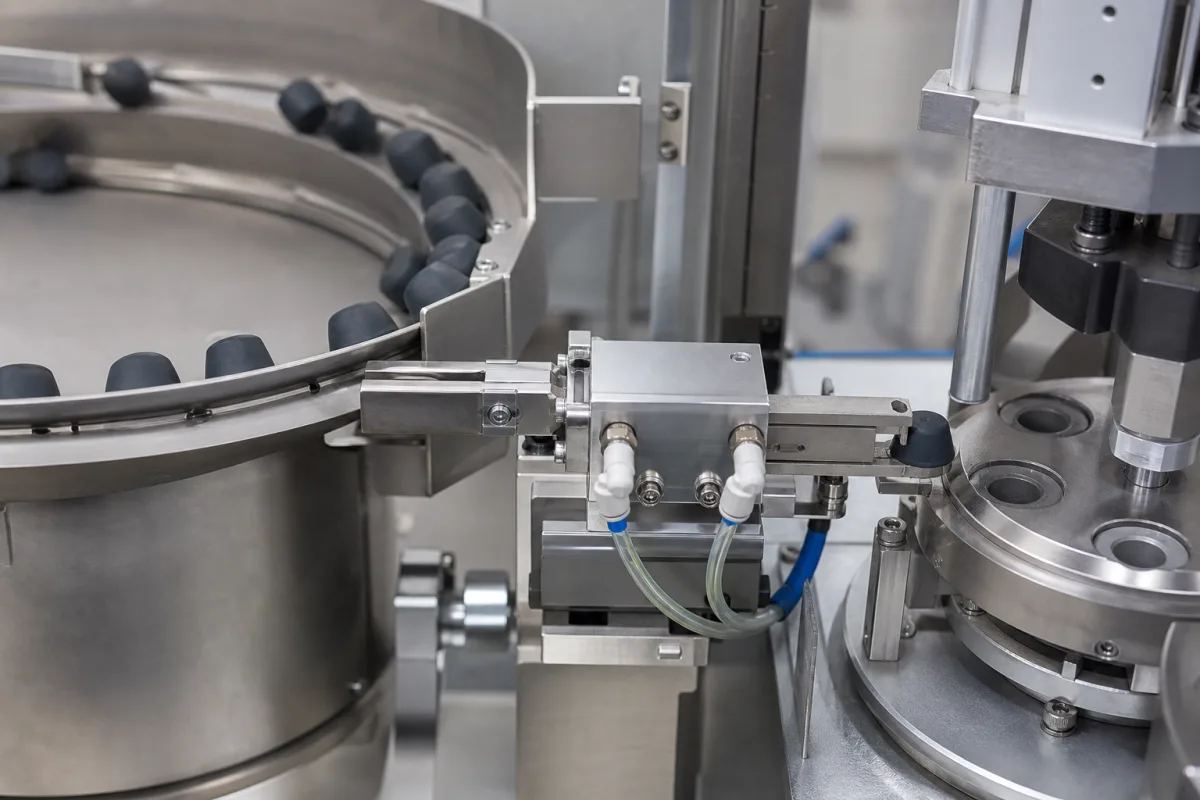
Technical details and manufacturing context for Stopper Pusher Assembly
| Parameter | Typical range | Notes & selection driver |
|---|---|---|
| Stroke Length | 25–50 mm | Custom strokes available on request |
| Push Force | 500–1500 N | Force at rated pressure |
| Operating Temperature | -20–80 °C | Seals rated for this range |
| Sealing Material | NBR | FKM optional for high tempDIN 53504 |
| Body Material | 304 | 316L available for corrosive mediaASTM A276 |
| Surface Treatment | Zinc-plated | Corrosion resistanceISO 2081 |
| Mounting Thread | M20×1.5 | Other threads on requestISO 965-1 |
| Weight | 0.8–1.2 kg | Depends on stroke |
| IP Rating | IP65 | Dust-tight and water-jet protectedIEC 60529 |
Ranges are indicative industry figures for RFQ preparation, not a supplier commitment. Confirm every value and standard with the legal manufacturer before ordering.
This component is essential for the following industrial systems and equipment:
| pressure: | Up to 300 bar |
| flow rate: | Up to 100 L/min |
| temperature: | -20°C to +80°C |
| slurry concentration: | Up to 15% solids by weight |
Indicative industry ranges for design and RFQ preparation. Confirm the exact figures and applicable standard with the manufacturer before specifying.
Quoted from the published standard.
Manufacturer profiles associated with Stopper Pusher Assembly.
Manufacturer listings support early research and capability understanding. They are not certification, ranking, or transaction guarantees.
A practical evidence checklist for RFQ preparation and supplier evaluation.
CNFX does not score or rank suppliers. Buyers must verify all claims and documents with the legal manufacturer before ordering.
The reference operating pressure range is 1.0–1.6 MPa. However, this is a directory reference and must be verified for the specific model and application with the legal manufacturer or supplier.
The assembly is available with chrome-plated steel or stainless steel bodies, and high-grade seals. The body material is typically 304 stainless steel, with 316L available for corrosive media. Surface treatment is zinc-plated per ISO 2081. Sealing material is NBR, with FKM optional for high temperatures.
It converts hydraulic pressure into linear mechanical force via a piston-cylinder mechanism. Hydraulic fluid drives the piston forward, pushing the stopper into position. Return springs or reverse hydraulic circuits retract the pusher when not engaged.
Signs of wear include seal leakage, reduced push force, or erratic operation. Regular inspection of seals and hydraulic connections is recommended. Operation outside the specified pressure, temperature, or media compatibility ranges can lead to failure.
Editorial classification, named public sources where available, and source-reviewed manufacturer records.
Ask for use case, specification boundaries, supplier type, and RFQ preparation information for this product.
Compare manufacturer profiles with relevant product and process capability.