Editorial Technical Reference

Aseptic Hot-Fill Beverage Bottling Line

This page explains how Aseptic Hot-Fill Beverage Bottling Line is classified within Non-Alcoholic Beverages Manufacturing. Technical values and manufacturer relationships are research references; confirm the current specification and supplier evidence for each order.

Technical Definition & Core Assembly

Industrial-scale production line for filling beverages at elevated temperatures into sterile containers.

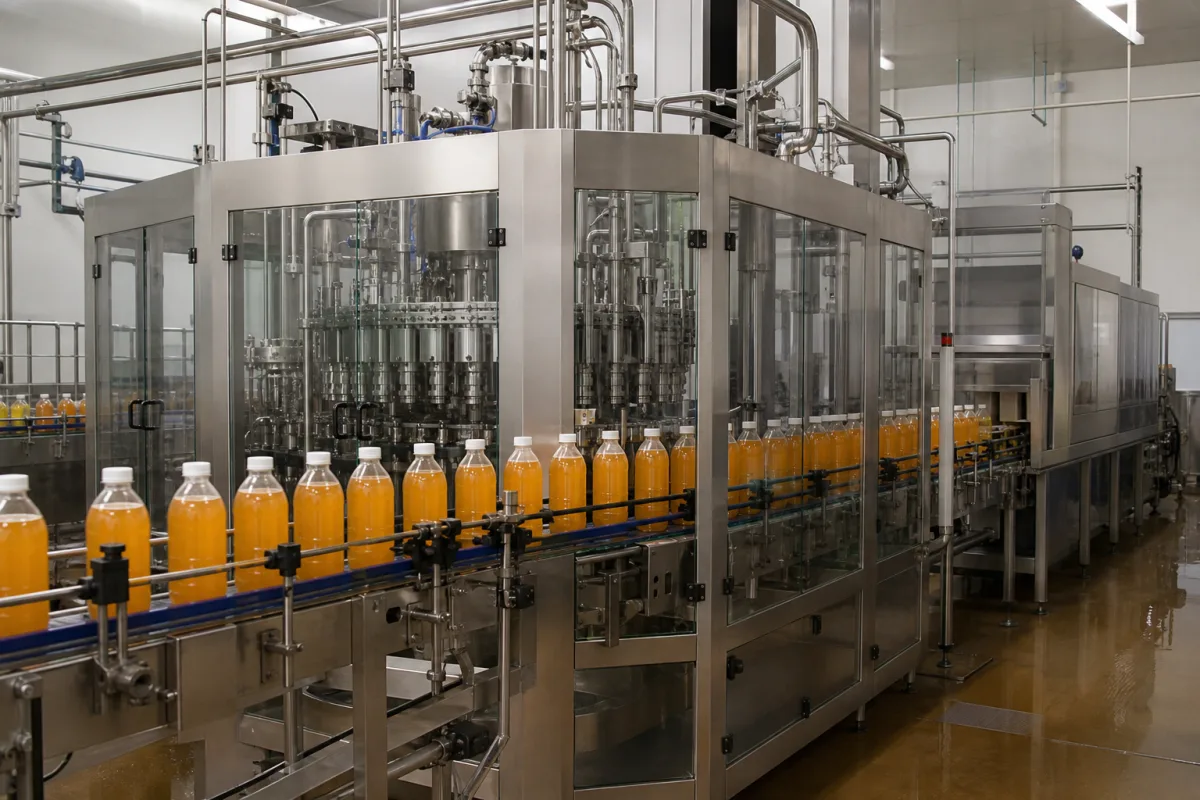
Representative product image. Confirm appearance and specifications with the manufacturer.

Product Specifications

Technical details and manufacturing context for Aseptic Hot-Fill Beverage Bottling Line

Definition
The Aseptic Hot-Fill Beverage Bottling Line is an integrated industrial manufacturing system designed for high-volume production of shelf-stable, non-alcoholic beverages. It performs sequential operations including container sterilization, beverage heating, aseptic filling at controlled temperatures, and hermetic sealing. This system is essential in B2B supply chains for producing juices, teas, and dairy-alternative drinks with extended ambient shelf life without chemical preservatives. It enables manufacturers to meet global food safety standards while optimizing production efficiency and product quality.

The line operates by heating the beverage to a specified temperature (typically 85–95°C) to achieve microbial reduction, then filling it into pre-sterilized containers within a controlled aseptic environment. The hot-filled product creates a vacuum upon cooling, ensuring container integrity and extended preservation. Key parameters include a production capacity of 12,000–24,000 bottles per hour for standard 500 ml containers, a container size range of 200–2000 ml, and a sterilization hold time of 15–30 seconds. The aseptic zone air quality is rated ISO 5 per ISO 14644-1, and the system operates at a pressure of 1.0–1.6 MPa. Electrical supply is 380–480 V AC, 3-phase, 50/60 Hz per IEC 60038, with power consumption of 45–90 kW. Filling accuracy is ±0.5% volume deviation per container. Compressed air consumption is 0.5–1.5 m³/min at 0.6–0.8 MPa. Noise level is ≤75 dB(A) at 1 m distance per ISO 11201. Machine weight ranges from 8,000–15,000 kg depending on configuration, and the approximate footprint for a 12,000 bph line is 12×3×3.5 m (L×W×H).

Materials used include Stainless Steel 316L, food-grade silicone, high-temperature plastics, and tempered glass viewports. These components are selected for durability and compliance with food contact regulations. The system is designed for integration into existing production facilities, with interfaces for utilities such as electrical power, compressed air, and water. Buyers should verify model-specific values and standards with the legal manufacturer or supplier, as the listed parameters are reference ranges for typical configurations. The line is not a consumer product; it is intended for industrial use in beverage manufacturing plants.
Working Principle
The system heats the beverage product to a specified temperature (typically 85-95°C) to achieve microbial reduction, then fills it into pre-sterilized containers within a controlled aseptic environment. The hot-filled product creates a vacuum upon cooling, ensuring container integrity and extended preservation. The process involves sequential steps: container sterilization, beverage heating, aseptic filling, and hermetic sealing. The aseptic environment is maintained to ISO 5 air quality, and the filling temperature is precisely controlled to ensure product safety and quality. The vacuum formed during cooling helps to maintain the seal and prevent contamination, contributing to the extended shelf life of the beverage without the need for chemical preservatives.
Common Materials
Stainless Steel 316L, Food-Grade Silicone, High-Temperature Plastics, Tempered Glass Viewports
Technical Parameters
ParameterTypical rangeNotes & selection driver
Production CapacityRequired12000–24000 bottles/hourMaximum output rate for standard 500ml containers
Filling Temperature RangeRequired85–95 °COperational temperature range for product filling
Container Size RangeRequired200–2000 mlMinimum to maximum container volume capacity
Sterilization Hold TimeRequired15–30 secondsMinimum time product maintains sterilization temperature
Aseptic Zone Air QualityRequiredISO 5 CFU/m³Maximum allowable microbial count in filling environmentISO 14644-1
Power Consumption45–90 kWAverage electrical power requirement during operation
Filling Accuracy±0.5 %Volume deviation per container
Electrical Supply380–480 V AC3-phase, 50/60 HzIEC 60038
Compressed Air Consumption0.5–1.5 m³/minAt 0.6–0.8 MPa
Noise Level≤75 dB(A)At 1 m distanceISO 11201
Machine Weight8000–15000 kgDepending on configuration
Footprint (L×W×H)12×3×3.5 mApproximate for 12000 bph line

Ranges are indicative industry figures for RFQ preparation, not a supplier commitment. Confirm every value and standard with the legal manufacturer before ordering.

Components / BOM
  • Aseptic Filling Valve Assembly
    Precisely meters and dispenses hot beverage into containers without contamination
    Material: Stainless Steel 316L with PTFE seals
  • Tunnel Sterilizer
    Applies hydrogen peroxide vapor or dry heat to pre-sterilize containers before filling
    Material: Stainless Steel 304 with quartz heating elements
  • Product Heating and Holding Tube
    Raises beverage to sterilization temperature and maintains it for required time
    Material: Stainless Steel 316L with insulation jacket
  • Aseptic Chamber with Laminar Flow
    Provides controlled environment with HEPA-filtered air to prevent microbial contamination during filling
    Material: Stainless Steel 304 with polycarbonate panels
  • Capping Station
    Applies and torques sterile closures to filled containers
    Material: Stainless Steel 304 with food-grade grippers

Industry Taxonomies & Aliases

Commonly used trade names and technical identifiers for Aseptic Hot-Fill Beverage Bottling Line.

Industrial Ecosystem & Supply Chain Structure

Complementary Systems
Downstream Applications
Specialized Tooling

Application Fit & Sizing Matrix

Operational Limits
pressure: Up to 6 bar (87 psi) in filling section, 3-4 bar (43-58 psi) in sterilization systems
flow rate: 10,000-60,000 bottles/hour depending on bottle size and configuration
temperature: 85-95°C (185-203°F) hot-fill range, sterilization up to 140°C (284°F)
slurry concentration: Not applicable - designed for clear to pulpy liquid beverages, solids <5% by volume
Media Compatibility
✓ High-acid fruit juices (pH <4.6) ✓ Tea-based beverages ✓ Isotonic sports drinks
Unsuitable: Carbonated beverages (CO2 evolution at high temperatures)
Sizing Data Required
  • Required production capacity (bottles/hour)
  • Bottle size and geometry (ml, neck finish)
  • Product viscosity and particulate content

Reliability & Engineering Risk Analysis

Failure Mode & Root Cause
Thermal stress cracking
Cause: Rapid temperature cycling between hot-fill (85-95°C) and cooling phases, causing differential expansion in glass/plastic containers and sealing components
Biological contamination seal failure
Cause: Degradation of elastomeric gaskets and valve seats due to chemical attack from acidic beverages combined with thermal degradation, compromising aseptic barriers
Maintenance Indicators
  • Visible condensation or moisture accumulation in supposedly dry sterile zones, indicating compromised air filtration or positive pressure systems
  • Audible hissing or irregular vacuum/pressure sounds from filler valves or capping heads during operation
Engineering Tips
  • Implement predictive maintenance through infrared thermography to monitor heat exchanger efficiency and identify early-stage fouling before it affects pasteurization temperatures
  • Establish a proactive gasket replacement schedule based on cumulative thermal cycles rather than time alone, using durometer testing to track elastomer hardening

Indicative industry ranges for design and RFQ preparation. Confirm the exact figures and applicable standard with the manufacturer before specifying.

Compliance & Manufacturing Standards

Applicable Standards
ANSI/ASME BPE-2019 - Bioprocessing equipment DIN 11864-1 - Aseptic fittings and connections

Quoted from the published standard.

Manufacturing Precision
  • Fill volume accuracy: +/- 0.5% of nominal volume
  • Seal integrity: Leak rate < 1x10^-6 mbar·L/s
Quality Inspection
  • Sterility assurance level (SAL) testing
  • Hot-fill temperature distribution mapping

Manufacturers of Aseptic Hot-Fill Beverage Bottling Line

Manufacturer profiles associated with Aseptic Hot-Fill Beverage Bottling Line.

Sourcing Aseptic Hot-Fill Beverage Bottling Line from China?
Tell us your specification and target quantity — we will match it against manufacturer records and come back with the factories that fit.
Request manufacturers We manufacture this

Manufacturer listings support early research and capability understanding. They are not certification, ranking, or transaction guarantees.

Technical documentation
Request current drawings, revision history, and a signed specification sheet.
Manufacturing capability
Verify equipment lists, process limits, capacity, and representative production evidence.
Inspection readiness
Confirm test methods, calibrated equipment, sampling plans, and traceable reports.
Supplier transparency
Check the legal entity, factory address, ownership, certifications, and direct contacts.

CNFX does not score or rank suppliers. Buyers must verify all claims and documents with the legal manufacturer before ordering.

Frequently Asked Questions

What is the typical production capacity of this bottling line?

The production capacity is typically 12,000 to 24,000 bottles per hour for standard 500 ml containers. However, the actual capacity may vary depending on the specific configuration and container size. It is essential to confirm the exact capacity with the manufacturer for your intended application.

What temperature range is used for hot-fill aseptic filling?

The filling temperature range is typically 85 to 95°C. This temperature is sufficient to achieve microbial reduction and ensure product safety. The sterilization hold time is 15 to 30 seconds. Verify the precise temperature and hold time requirements for your product with the supplier.

What are the utility requirements for this line?

The line requires an electrical supply of 380–480 V AC, 3-phase, 50/60 Hz, with power consumption of 45–90 kW. Compressed air consumption is 0.5–1.5 m³/min at 0.6–0.8 MPa. Additionally, water and steam may be needed for sterilization and cleaning. Confirm all utility specifications with the manufacturer.

What standards are referenced for the aseptic zone and pressure?

The aseptic zone air quality is rated ISO 5 per ISO 14644-1. The operating pressure is 1.0–1.6 MPa. These standards are provided as reference for procurement and verification. It is the buyer's responsibility to ensure that the equipment meets the required standards for their specific application.

Data Basis

Editorial classification, named public sources where available, and source-reviewed manufacturer records.

Preliminary Technical Classification
This page supports structured research, RFQ preparation, and supplier evaluation. It does not replace buyer-led supplier qualification, standards review, or technical approval.
Buyer enquiry

Request manufacturing insight for Aseptic Hot-Fill Beverage Bottling Line

Ask for use case, specification boundaries, supplier type, and RFQ preparation information for this product.

Where it goes
Straight to the CNFX editorial desk, and to the manufacturer if this product is linked to a claimed profile. Nothing is broadcast to a supplier list.
Your details stay here
We do not sell or rent enquiry data, and we do not add you to a mailing list. Used only to answer this request.
No commission, no middleman
CNFX is a directory. We take no cut of any order and never negotiate on a supplier's behalf.
What we don't claim
A listing is not an endorsement. Qualify every supplier and verify every figure yourself before ordering.

Your business information is used only to process this request.

Thank you! Your message has been sent. We'll respond within 1–3 business days.
Sorry, we couldn't send your message. Please try again, or email us at contact@cnfx.com.

Need to Manufacture Aseptic Hot-Fill Beverage Bottling Line?

Compare manufacturer profiles with relevant product and process capability.

First Product
Next Product
Automated Beverage Blending and Carbonation System
Get QuotesChat