Temperature Sensor
View system integration details
This page explains how Connection Head is classified within Computer, Electronic and Optical Product Manufacturing. Technical values and manufacturer relationships are research references; confirm the current specification and supplier evidence for each order.
The housing and interface component of a temperature sensor that provides electrical connections and environmental protection.
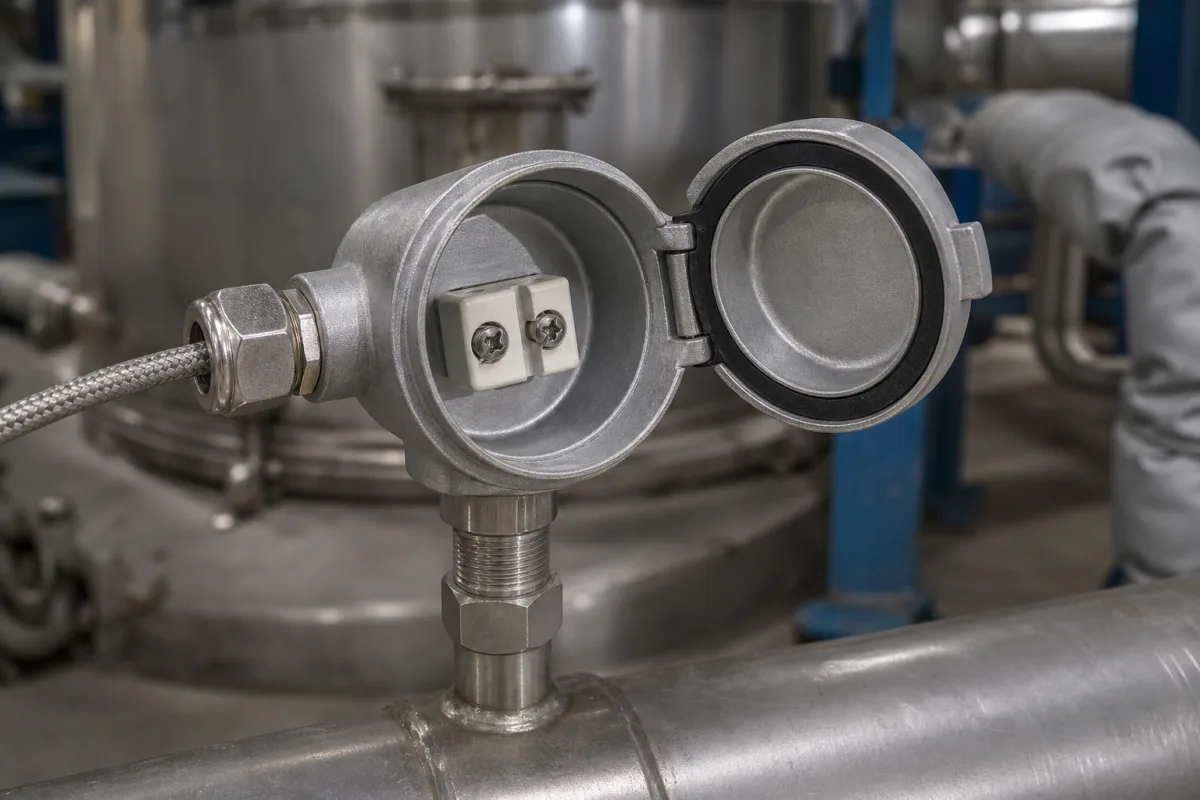
Technical details and manufacturing context for Connection Head
What to specify in your RFQ
These are the quantities to specify to the manufacturer when sizing or requesting a quote. The manufacturer's own documentation governs the exact figures and applicable standard.
| pressure: | 0 to 100 bar |
| other spec: | IP67 ingress protection, 0-5% slurry concentration |
| temperature: | -40°C to 200°C |
Indicative industry ranges for design and RFQ preparation. Confirm the exact figures and applicable standard with the manufacturer before specifying.
Quoted from the published standard.
A practical evidence checklist for RFQ preparation and supplier evaluation.
Compare the published product scope and source details, then include your specifications and quantity in an enquiry.
Manufacturer profiles associated with Connection Head.
Explore company information and manufacturing capabilities, then discuss the scope of your project with a relevant supplier.
Ask for use case, specification boundaries, supplier type, and RFQ preparation information for this product.
The primary function is to house the electrical termination points of a temperature sensor, providing a secure interface for wiring connections while protecting internal components from moisture, dust, and mechanical damage.
Common materials include stainless steel, aluminum, and plastics such as PBT and PA. The choice depends on the application's requirements for corrosion resistance, temperature range, and mechanical strength.
You must verify the thread size and dimensions specified in millimeters for mounting and connection compatibility. These specifications vary by model, so always confirm with the legal manufacturer or supplier for your specific sensor.
It protects against moisture, dust, and mechanical damage. The head provides a sealed or protected compartment that maintains the sensor's integrity in various operating environments.
This component is essential for the following industrial systems and equipment:
Editorial classification, named public sources where available, and source-reviewed manufacturer records.
Compare manufacturer profiles with relevant product and process capability.