Servo Control Valve
View system integration details
This page explains how Feedback Sensor (e.g., LVDT) is classified within Machinery and Equipment Manufacturing. Technical values and manufacturer relationships are research references; confirm the current specification and supplier evidence for each order.
A sensor that provides real-time position feedback for servo control valve spools.
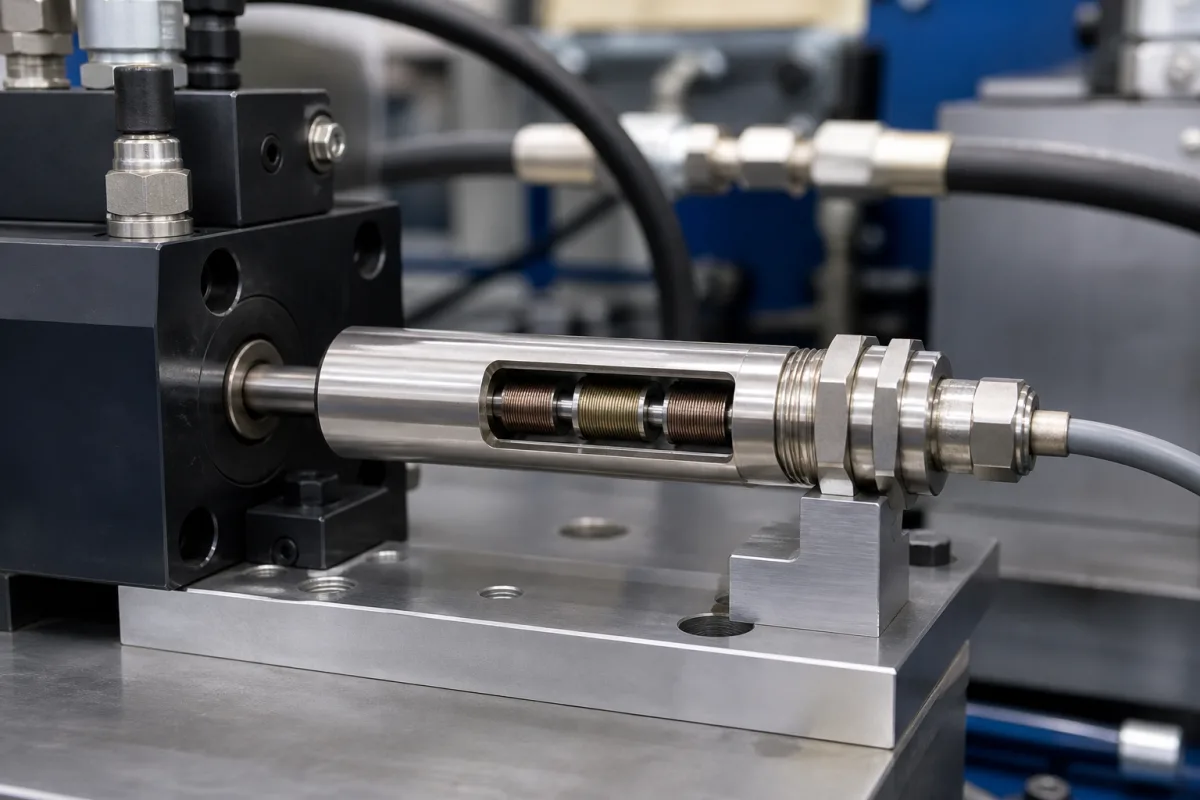
Technical details and manufacturing context for Feedback Sensor (e.g., LVDT)
What to specify in your RFQ
These are the quantities to specify to the manufacturer when sizing or requesting a quote. The manufacturer's own documentation governs the exact figures and applicable standard.
| pressure: | 0 to 5000 psi |
| linearity: | ±0.25% of full range |
| vibration: | Up to 20g RMS |
| temperature: | -40°C to +125°C |
| response time: | <1 ms |
Indicative industry ranges for design and RFQ preparation. Confirm the exact figures and applicable standard with the manufacturer before specifying.
Quoted from the published standard.
A practical evidence checklist for RFQ preparation and supplier evaluation.
Compare the published product scope and source details, then include your specifications and quantity in an enquiry.
Manufacturer profiles associated with Feedback Sensor (e.g., LVDT).
Explore company information and manufacturing capabilities, then discuss the scope of your project with a relevant supplier.
Ask for use case, specification boundaries, supplier type, and RFQ preparation information for this product.
The measuring range (stroke) is specified in millimeters and varies by model. It must be matched to the valve spool travel. Always check the datasheet for the exact range.
The core moves inside the coil assembly without physical contact, using electromagnetic induction to detect position, which reduces wear and improves reliability.
Typical materials include a ferromagnetic core (e.g., nickel-iron alloy), copper windings, epoxy potting compound, and a stainless steel housing for protection.
Verify the stroke length, electrical output (e.g., AC voltage), environmental ratings, and compatibility with your controller. Confirm all specifications with the manufacturer.
This component is essential for the following industrial systems and equipment:
Editorial classification, named public sources where available, and source-reviewed manufacturer records.
Compare manufacturer profiles with relevant product and process capability.