Doctoring System
View system integration details
This page explains how Blade Holder is classified within Machinery and Equipment Manufacturing. Technical values and manufacturer relationships are research references; confirm the current specification and supplier evidence for each order.
A mechanical component designed to securely hold and position a blade within a doctoring system.
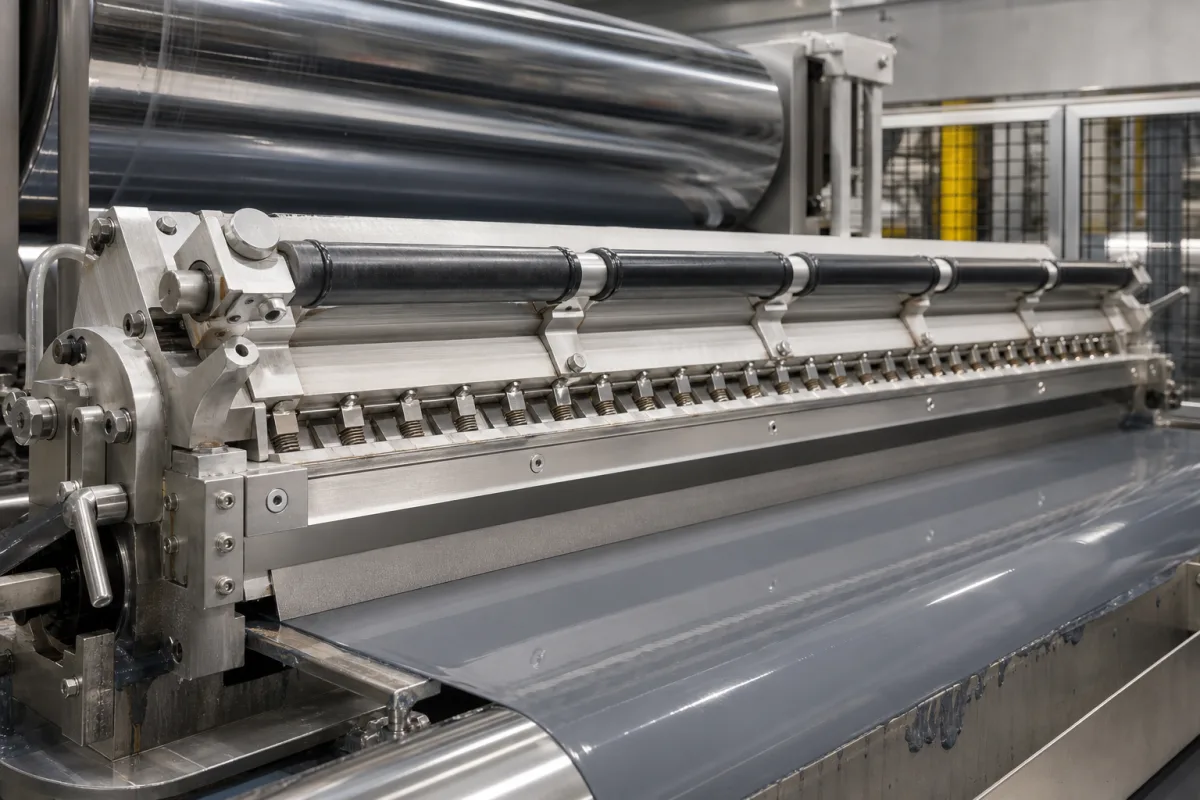
Technical details and manufacturing context for Blade Holder
What to specify in your RFQ
These are the quantities to specify to the manufacturer when sizing or requesting a quote. The manufacturer's own documentation governs the exact figures and applicable standard.
This component is essential for the following industrial systems and equipment:
| pressure: | Up to 10 bar |
| temperature: | -20°C to 150°C |
| slurry concentration: | Up to 60% solids by weight |
Indicative industry ranges for design and RFQ preparation. Confirm the exact figures and applicable standard with the manufacturer before specifying.
Quoted from the published standard.
Manufacturer profiles associated with Blade Holder.
Manufacturer listings support early research and capability understanding. They are not certification, ranking, or transaction guarantees.
A practical evidence checklist for RFQ preparation and supplier evaluation.
CNFX does not score or rank suppliers. Buyers must verify all claims and documents with the legal manufacturer before ordering.
The blade holder securely holds and positions a blade within a doctoring system, ensuring consistent contact pressure and angle against a surface for effective scraping, coating control, or cleaning.
Common materials include stainless steel, aluminum alloy, and carbon steel. The choice depends on the application's requirements for strength, corrosion resistance, and weight.
The holder typically features mechanical clamping mechanisms such as bolts, wedges, or pneumatic/hydraulic actuators, allowing micro-adjustments to the blade's angle and pressure.
You should verify the holder's dimensions (length, width, thickness), blade clamping range (min-max blade thickness), and mounting hole pattern, all in millimeters, and confirm compatibility with your doctoring system and blade.
Editorial classification, named public sources where available, and source-reviewed manufacturer records.
Ask for use case, specification boundaries, supplier type, and RFQ preparation information for this product.
Compare manufacturer profiles with relevant product and process capability.