Guiding Roller Assembly
View system integration details
This page explains how Guide Roller is classified within Machinery and Equipment Manufacturing. Technical values and manufacturer relationships are research references; confirm the current specification and supplier evidence for each order.
A cylindrical component that directs and supports material movement along a predetermined path within machinery.
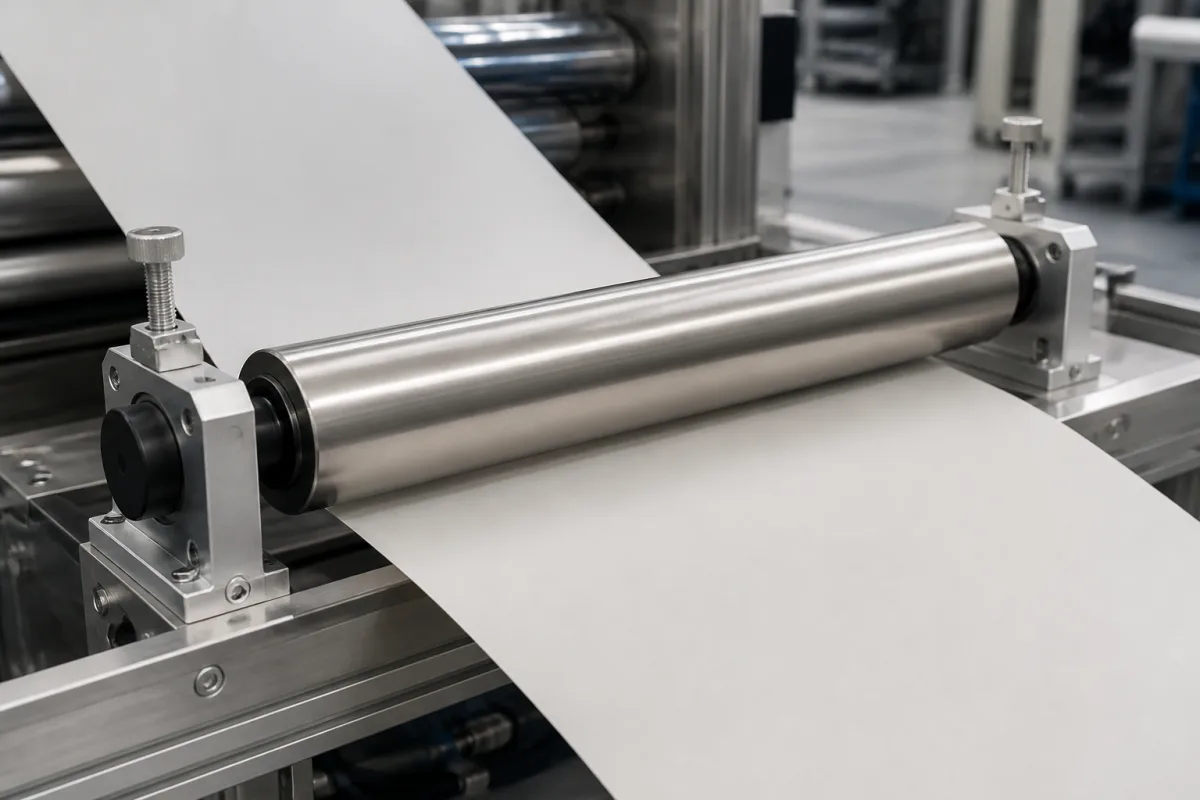
Technical details and manufacturing context for Guide Roller
What to specify in your RFQ
These are the quantities to specify to the manufacturer when sizing or requesting a quote. The manufacturer's own documentation governs the exact figures and applicable standard.
| pressure: | Up to 10 MPa (static), 2 MPa (dynamic) |
| other spec: | Max linear speed: 5 m/s, Max load capacity: 5000 N, Surface hardness: 55-65 HRC |
| temperature: | -40°C to 150°C |
Indicative industry ranges for design and RFQ preparation. Confirm the exact figures and applicable standard with the manufacturer before specifying.
Quoted from the published standard.
A practical evidence checklist for RFQ preparation and supplier evaluation.
Compare the published product scope and source details, then include your specifications and quantity in an enquiry.
Manufacturer profiles associated with Guide Roller.
Explore company information and manufacturing capabilities, then discuss the scope of your project with a relevant supplier.
Ask for use case, specification boundaries, supplier type, and RFQ preparation information for this product.
A guide roller directs and supports material movement along a predetermined path, controlling direction, tension, and alignment to prevent jams, wrinkles, or defects.
Common materials include carbon steel, stainless steel, polyurethane, and ceramic. The choice depends on the application, such as load, speed, and environmental conditions.
Consider the required outer diameter (in mm), material compatibility, load capacity, and operating environment. Always verify model-specific specifications with the manufacturer or supplier.
Regularly inspect for wear, surface damage, and bearing condition. Replace worn rollers promptly to avoid production issues. Follow the equipment manual and supplier recommendations.
This component is essential for the following industrial systems and equipment:
Editorial classification, named public sources where available, and source-reviewed manufacturer records.
Compare manufacturer profiles with relevant product and process capability.