Editorial Technical Reference

Vacuum Pump Head

This page explains how Vacuum Pump Head is classified within Machinery and Equipment Manufacturing. Technical values and manufacturer relationships are research references; confirm the current specification and supplier evidence for each order.

Technical Definition & Core Assembly

The primary working assembly of a vacuum pump that creates and maintains vacuum pressure.
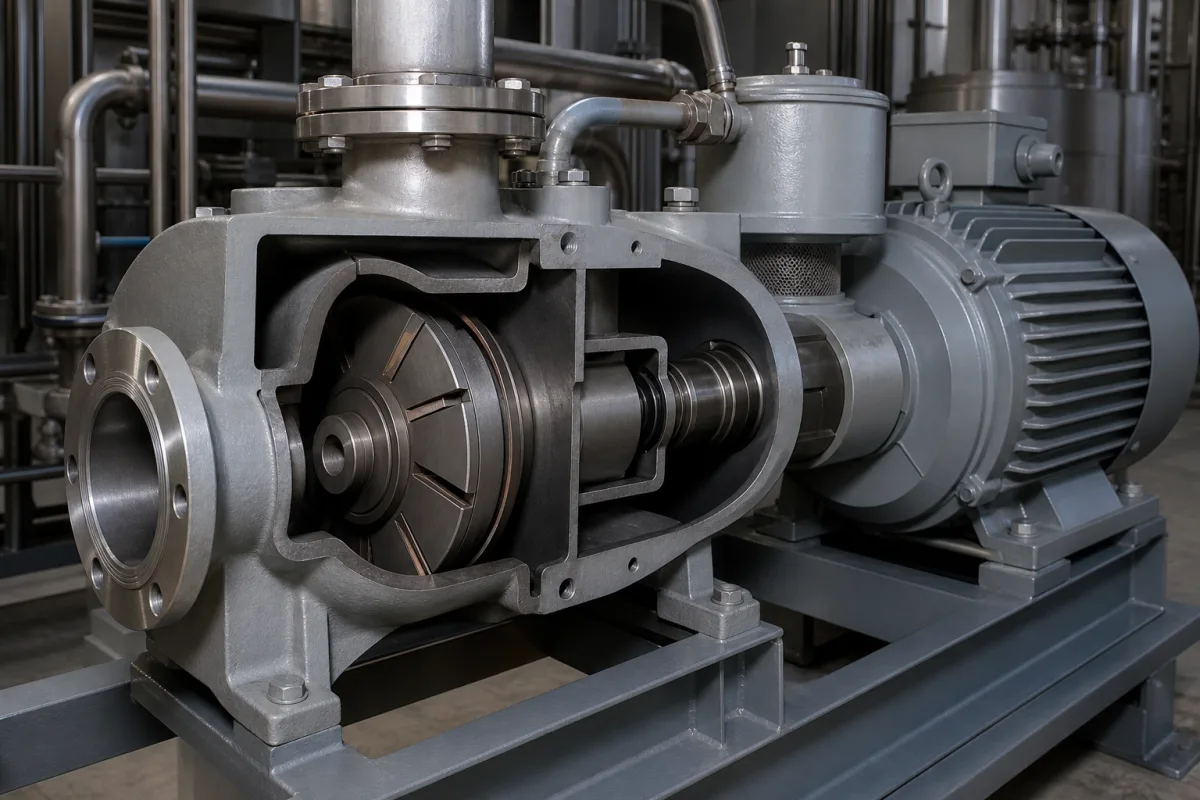
Representative product image. Confirm appearance and specifications with the manufacturer.

Product Specifications

Technical details and manufacturing context for Vacuum Pump Head

Definition
The vacuum pump head is the core functional component of a gas flushing unit or vacuum pump system, responsible for generating the necessary vacuum pressure by removing gases from a sealed chamber. It typically houses the pumping mechanism (such as rotary vanes, diaphragms, or scrolls) and interfaces directly with the system being evacuated. The pump head operates by mechanically creating a sealed, expanding volume within its chamber. As the internal mechanism (e.g., rotor, piston, or diaphragm) moves, it traps gas from the inlet port, compresses it, and then expels it through the exhaust port, thereby reducing pressure in the connected system. This component is available in materials such as cast iron, aluminum alloy, and stainless steel, and is characterized by parameters including nominal diameter (15–100 mm, ISO 6708), pumping speed (4–100 m³/h at 50 Hz, ISO 21360), ultimate pressure (0.5–100 Pa, ISO 21360), motor power (0.75–7.5 kW), voltage (220–480 V, three-phase, IEC 60038), frequency (50–60 Hz, auto-switching), operating temperature (-10–40 °C), maximum inlet pressure (0.03–0.1 MPa), noise level (55–75 dB(A) at 1 m, ISO 3744), ingress protection (IP54–IP55, IEC 60529), material grade (HT250–QT500, GB/T 1348), and weight (15–120 kg without motor). These values are reference ranges and must be verified for the specific model and application. The pump head is selected based on required vacuum level, pumping speed, and compatibility with the system's piping and electrical supply. It interfaces with the motor, inlet and exhaust piping, and control systems. When evaluating a pump head, confirm the actual performance data, material grades, and standards compliance with the legal manufacturer or supplier. Maintenance signals include unusual noise, reduced pumping speed, or increased ultimate pressure, which may indicate wear or contamination. Failure boundaries include exceeding the maximum inlet pressure or operating outside the temperature range, which can damage the component. Always consult the manufacturer's documentation for installation, operation, and maintenance guidelines.
Working Principle
The pump head operates by mechanically creating a sealed, expanding volume within its chamber. As the internal mechanism (e.g., rotor, piston, or diaphragm) moves, it traps gas from the inlet port, compresses it, and then expels it through the exhaust port, thereby reducing pressure in the connected system.
Common Materials
Cast Iron, Aluminum Alloy, Stainless Steel
Technical Parameters
ParameterTypical rangeNotes & selection driver
Nominal Diameter15–100 mmMatches pipe sizeISO 6708
Pumping Speed4–100 m³/hAt 50 HzISO 21360
Ultimate Pressure0.5–100 PaLower is better for high vacuumISO 21360
Motor Power0.75–7.5 kWDepends on capacity
Voltage220–480 VThree-phaseIEC 60038
Frequency50–60 HzAuto-switching
Operating Temperature-10–40 °CAmbient
Max Inlet Pressure0.03–0.1 MPaAbove this may damage
Noise Level55–75 dB(A)At 1 mISO 3744
Ingress ProtectionIP54–IP55Motor and controlsIEC 60529
MaterialHT250–QT500Cast iron bodyGB/T 1348
Weight15–120 kgWithout motor

Ranges are indicative industry figures for RFQ preparation, not a supplier commitment. Confirm every value and standard with the legal manufacturer before ordering.

Components / BOM
  • Rotor Part
    Rotates within the housing to create the pumping action, often with vanes that slide to maintain contact with the housing wall.
    Material: Steel or Carbon Composite
  • Housing/Casing Part
    Encloses the pumping mechanism, provides structural integrity, and contains the inlet and exhaust ports.
    Material: Cast Iron or Aluminum
  • Inlet/Exhaust Valves Part
    Control the flow of gas into and out of the pumping chamber, ensuring one-way flow and preventing backflow.
    Material: Stainless Steel or Rubber
  • Sliding Vanes Optional
    Slide out of the rotor slots to sweep the chamber and seal against the casing wall, on vane-type heads.

Applied To / Applications

This component is essential for the following industrial systems and equipment:

Industrial Ecosystem & Supply Chain Structure

Complementary Systems
Downstream Applications
Specialized Tooling

Application Fit & Sizing Matrix

Operational Limits
pressure: Atmospheric to 10^-3 mbar (ultimate vacuum)
flow rate: 5-500 m³/h (depending on model)
temperature: -10°C to +40°C
slurry concentration: Up to 15% solids by weight (for slurry-compatible models)
Media Compatibility
✓ Dry gases (air, nitrogen, argon) ✓ Non-corrosive process vapors ✓ Water-based slurries with compatible seals
Unsuitable: Highly corrosive chemicals (e.g., chlorine, strong acids) without specialized coatings
Sizing Data Required
  • Required vacuum level (mbar or Torr)
  • Process gas flow rate (m³/h at operating pressure)
  • Gas composition and temperature

Reliability & Engineering Risk Analysis

Failure Mode & Root Cause
Cavitation
Cause: Insufficient net positive suction head (NPSH) due to low inlet pressure, high fluid temperature, or excessive pump speed, leading to vapor bubble formation and implosion that damages impeller surfaces.
Bearing failure
Cause: Lubrication breakdown from oil contamination, improper viscosity, or inadequate lubrication intervals, combined with misalignment or excessive vibration, causing overheating and premature wear.
Maintenance Indicators
  • Unusual high-pitched whining or grinding noises indicating cavitation or bearing distress
  • Visible oil leaks around seals or excessive vibration detected during routine inspections
Engineering Tips
  • Maintain proper NPSH margins by ensuring adequate inlet pressure and cooling, and avoid operating near the pump's cavitation curve
  • Implement precision alignment during installation, use correct lubricant specifications, and establish regular oil analysis to monitor contamination and wear particles

Indicative industry ranges for design and RFQ preparation. Confirm the exact figures and applicable standard with the manufacturer before specifying.

Compliance & Manufacturing Standards

Applicable Standards
ISO 21360-1:2019 Vacuum technology - Standard methods for measuring vacuum-pump performance ANSI/AVS 8.1-2013 American National Standard for Rotary Vane Vacuum Pumps DIN 28400-1:2012 Vacuum technology - Acceptance specifications for vacuum pumps - Part 1: Measurement of performance characteristics

Quoted from the published standard.

Manufacturing Precision
  • Bore diameter: +/-0.01mm
  • Surface flatness: 0.05mm/m
Quality Inspection
  • Helium leak test (vacuum tightness)
  • Vibration analysis (rotational balance)

Manufacturers of Vacuum Pump Head

Manufacturer profiles associated with Vacuum Pump Head.

Sourcing Vacuum Pump Head from China?
Tell us your specification and target quantity — we will match it against manufacturer records and come back with the factories that fit.
Request manufacturers We manufacture this

Manufacturer listings support early research and capability understanding. They are not certification, ranking, or transaction guarantees.

Technical documentation
Request current drawings, revision history, and a signed specification sheet.
Manufacturing capability
Verify equipment lists, process limits, capacity, and representative production evidence.
Inspection readiness
Confirm test methods, calibrated equipment, sampling plans, and traceable reports.
Supplier transparency
Check the legal entity, factory address, ownership, certifications, and direct contacts.

CNFX does not score or rank suppliers. Buyers must verify all claims and documents with the legal manufacturer before ordering.

Supply Chain Compatible Machinery & Devices

Hydraulic Press

Industrial machine using hydraulic pressure to compress, form, or assemble materials

Explore Specs →
Heavy-Duty CNC Plasma Cutting Machine

The Heavy-Duty CNC Plasma Cutting Machine is a standalone industrial device designed for cutting conductive metals such as steel, stainless steel, aluminum, and copper alloys.

Explore Specs →
Automated Powder Coating System

Integrated industrial system for applying dry powder coatings to metal substrates.

Explore Specs →
Centrifugal Pump Impeller

The centrifugal pump impeller is a critical rotating component that converts mechanical energy from the motor into kinetic energy in fluid systems.

Explore Specs →

Frequently Asked Questions

What materials are available for the vacuum pump head?

The vacuum pump head is available in cast iron, aluminum alloy, and stainless steel. The specific material grade (e.g., HT250–QT500 for cast iron) should be confirmed with the manufacturer for the intended application.

What is the typical pumping speed range?

The pumping speed ranges from 4 to 100 m³/h at 50 Hz, as per ISO 21360. The actual value depends on the model and operating conditions, so verify with the supplier.

What is the maximum inlet pressure?

The maximum inlet pressure is 0.03 to 0.1 MPa. Exceeding this range may damage the pump head. Always check the manufacturer's specifications for the specific model.

What are the electrical requirements?

The pump head typically requires a three-phase power supply with voltage ranging from 220 to 480 V (IEC 60038) and frequency of 50–60 Hz (auto-switching). Motor power ranges from 0.75 to 7.5 kW. Confirm exact requirements with the manufacturer.

Data Basis

Editorial classification, named public sources where available, and source-reviewed manufacturer records.

Preliminary Technical Classification
This page supports structured research, RFQ preparation, and supplier evaluation. It does not replace buyer-led supplier qualification, standards review, or technical approval.
Buyer enquiry

Request manufacturing insight for Vacuum Pump Head

Ask for use case, specification boundaries, supplier type, and RFQ preparation information for this product.

Where it goes
Straight to the CNFX editorial desk, and to the manufacturer if this product is linked to a claimed profile. Nothing is broadcast to a supplier list.
Your details stay here
We do not sell or rent enquiry data, and we do not add you to a mailing list. Used only to answer this request.
No commission, no middleman
CNFX is a directory. We take no cut of any order and never negotiate on a supplier's behalf.
What we don't claim
A listing is not an endorsement. Qualify every supplier and verify every figure yourself before ordering.

Your business information is used only to process this request.

Thank you! Your message has been sent. We'll respond within 1–3 business days.
Sorry, we couldn't send your message. Please try again, or email us at contact@cnfx.com.

Need to Manufacture Vacuum Pump Head?

Compare manufacturer profiles with relevant product and process capability.

Previous Product
Z-axis Ram/Spindle
Last Product
Get QuotesChat