Based on aggregated insights from multiple verified factory profiles within the CNFX directory, the standard Ammonia Oxidation Reactor used in the Chemical Manufacturing sector typically supports operational capacities ranging from standard industrial configurations to heavy-duty production requirements.
A canonical Ammonia Oxidation Reactor is characterized by the integration of Reactor Shell/Vessel and Catalyst Gauze Pack. In industrial production environments, manufacturers listed on CNFX commonly emphasize Stainless Steel (e.g., 304/316L for shell) construction to support stable, high-cycle operation across diverse manufacturing scenarios.
A reactor where ammonia is catalytically oxidized with air to produce nitrogen monoxide, the primary reaction step in nitric acid production.
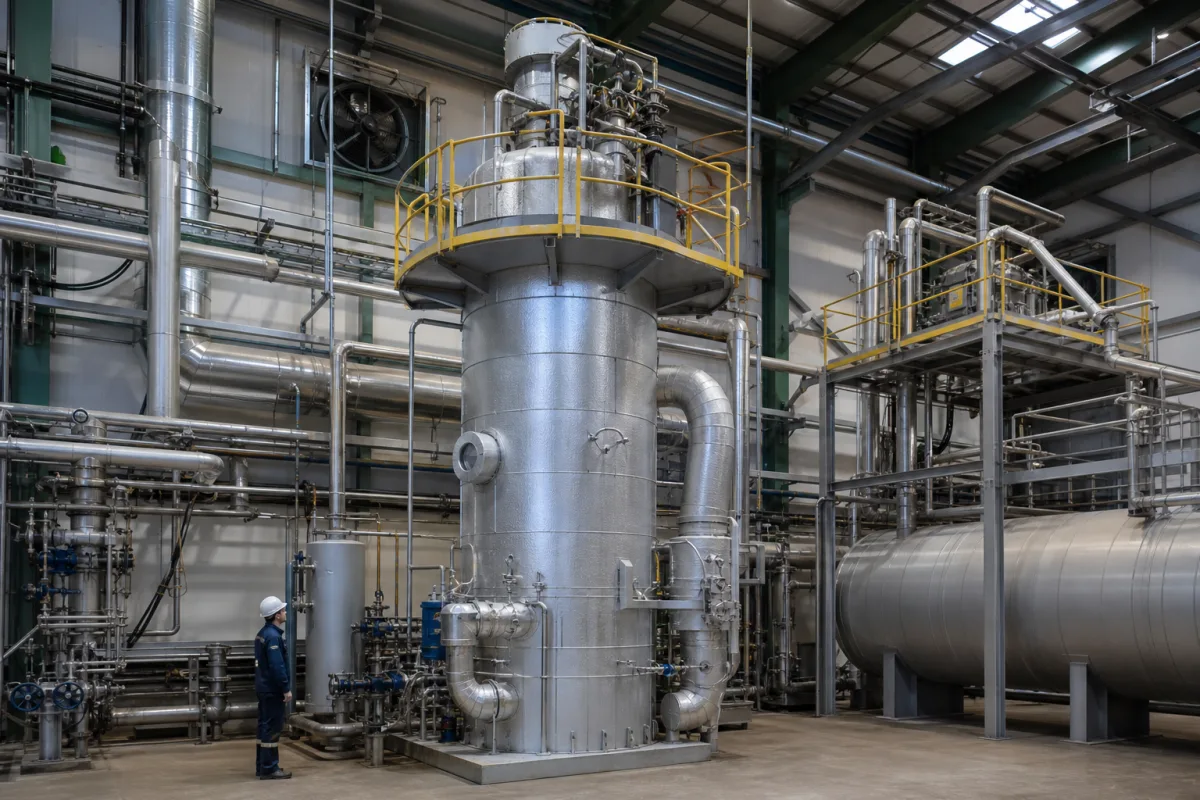
Technical details and manufacturing context for Ammonia Oxidation Reactor
Commonly used trade names and technical identifiers for Ammonia Oxidation Reactor.
| pressure: | 1-10 bar (atmospheric to moderate pressure systems) |
| flow rate: | Varies by capacity: 100-100,000 Nm³/h ammonia-air mixture |
| temperature: | 800-950°C (typical operating range for platinum-rhodium gauze catalysts) |
| ammonia concentration: | 9.5-11.5 vol% in air (explosive limits consideration) |
| conversion efficiency: | 94-98% ammonia to NO under optimal conditions |
Verified manufacturers with capability to produce this product in China
✓ 95% Supplier Capability Match Found
Authentic performance reports from verified B2B procurement managers.
"As a professional in the Chemical Manufacturing sector, I confirm this Ammonia Oxidation Reactor meets all ISO standards."
"Standard OEM quality for Chemical Manufacturing applications. The Ammonia Oxidation Reactor arrived with full certification. (Delivery took slightly longer than expected, but technical support was excellent.)"
"Great transparency on the Ammonia Oxidation Reactor components. Essential for our Chemical Manufacturing supply chain."
“Feedback is collected from verified sourcing managers during RFQ (Request for Quote) and factory evaluation processes on CNFX. These reports represent historical performance data and technical audit summaries from our B2B manufacturing network.”
Ammonia oxidation reactors use platinum-rhodium alloy catalyst gauze (typically 90% platinum, 10% rhodium) because this combination provides optimal catalytic activity, high temperature stability, and resistance to poisoning while maximizing nitrogen monoxide yield.
Regular catalyst gauze inspection and replacement (typically every 3-6 months), refractory lining integrity checks, thermocouple calibration, and monitoring of gas distributor performance are essential. Pressure drop across the catalyst bed should be monitored to detect gauze degradation.
Maintaining optimal temperature range (typically 850-950°C) is critical for maximizing NO yield while minimizing unwanted byproducts like N₂O. Temperature affects reaction kinetics, catalyst activity, and equipment longevity, requiring precise control through proper gas preheating and heat management.
CNFX is an open directory, not a transaction platform. Each factory profile provides direct contact information and production details to help you initiate direct inquiries with Chinese suppliers.
Request technical pricing, lead times, or customized specifications for Ammonia Oxidation Reactor directly from verified manufacturing units.
Connect with verified factories specializing in this product category