Steam Generator or Water Atomizer
View system integration details
This page explains how Water Reservoir is classified within Machinery and Equipment Manufacturing. Technical values and manufacturer relationships are research references; confirm the current specification and supplier evidence for each order.
A container that stores water for use in steam generation or water atomization systems
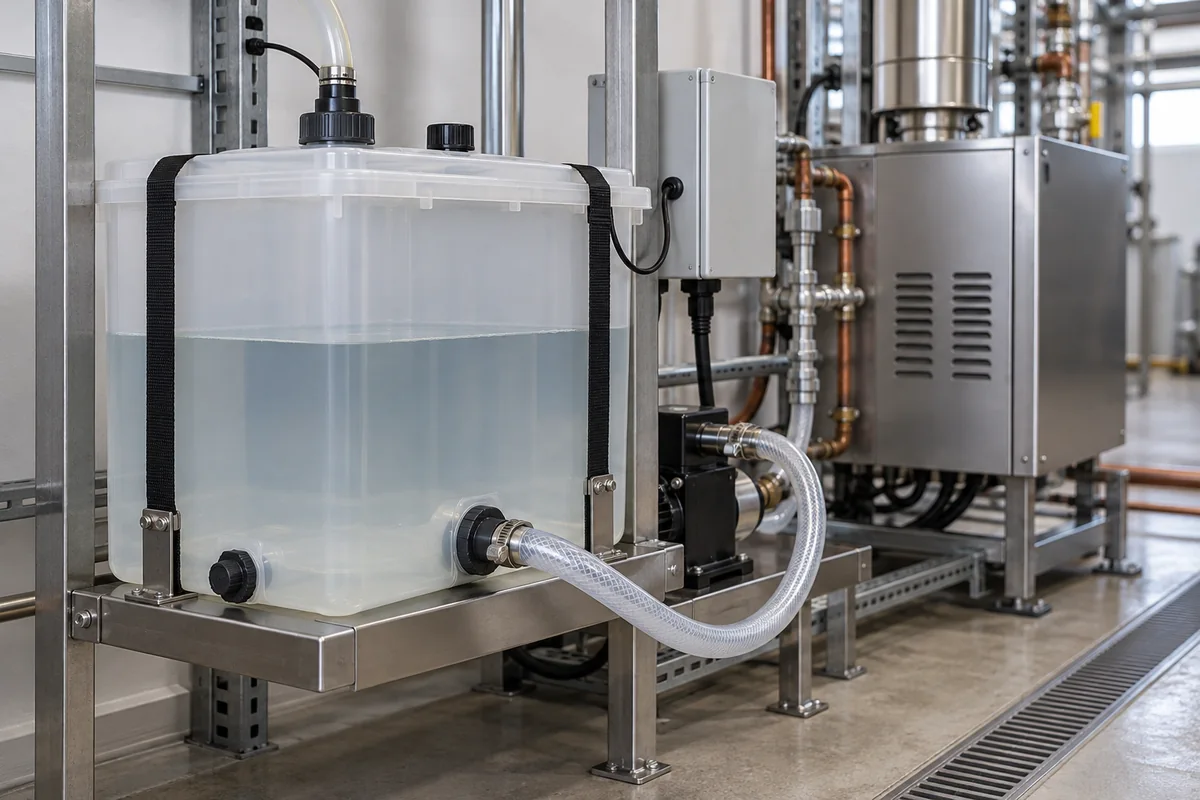
Technical details and manufacturing context for Water Reservoir
| Parameter | Typical range | Notes & selection driver |
|---|---|---|
| Nominal Capacity | 0.5–100 m³ | Select based on required water storage timeGB/T 150 |
| Design Pressure | 1.0–1.6 MPa | Higher pressure increases wall thickness and costGB/T 150 |
| Design Temperature | -20–150 °C | Above 150°C requires special materialsGB/T 150 |
| Shell Thickness | 6–30 mm | Determined by pressure and diameterGB/T 150 |
| Material Grade | Q235B / 304 / 316L | Stainless steel for corrosive mediaGB/T 3274 / ASTM A240 |
| Corrosion Allowance | 1–3 mm | Higher for aggressive water chemistryGB/T 150 |
| Inlet/Outlet Diameter | DN50–DN300 | Match piping system requirementsGB/T 9119 |
| Weight | 200–5000 kg | Affects foundation and transport |
| Surface Treatment | Sandblasting + primer / pickling passivation | Prevents corrosion during transportISO 8501-1 |
| Inspection Standard | GB/T 150 / ASME VIII | Hydrostatic test at 1.25× design pressureGB/T 150 / ASME BPVC |
Ranges are indicative industry figures for RFQ preparation, not a supplier commitment. Confirm every value and standard with the legal manufacturer before ordering.
| pressure: | 0 to 10 bar (gauge) |
| flow rate: | 0 to 100 m³/h |
| temperature: | -20°C to 150°C |
| slurry concentration: | 0 to 30% solids by weight |
Indicative industry ranges for design and RFQ preparation. Confirm the exact figures and applicable standard with the manufacturer before specifying.
Quoted from the published standard.
A practical evidence checklist for RFQ preparation and supplier evaluation.
Compare the published product scope and source details, then include your specifications and quantity in an enquiry.
2 companies list this product among what they make. Company figures are quoted from each company's own website; every card states where the relationship came from.
Explore company information and manufacturing capabilities, then discuss the scope of your project with a relevant supplier.
Ask for use case, specification boundaries, supplier type, and RFQ preparation information for this product.
Common materials include stainless steel, carbon steel, and food-grade plastic. The choice depends on the application's requirements for corrosion resistance, pressure, and temperature. For example, stainless steel grades like 304 or 316L are used for corrosive media, while Q235B carbon steel is typical for less demanding conditions.
The nominal capacity typically ranges from 0.5 to 100 m³, depending on the required water storage time and system demand. The specific capacity should be selected based on the operational needs and must be confirmed with the manufacturer.
The design pressure is typically between 1.0 and 1.6 MPa, but it depends on the system's operating conditions. Higher pressures require increased wall thickness and cost. The design pressure must be verified against the actual system requirements and applicable standards.
Inspection standards such as GB/T 150 or ASME VIII are commonly referenced. Hydrostatic testing is performed at 1.25 times the design pressure. Always confirm the applicable standards and testing procedures with the legal manufacturer or supplier.
This component is essential for the following industrial systems and equipment:
Editorial classification, named public sources where available, and source-reviewed manufacturer records.
Compare manufacturer profiles with relevant product and process capability.