Editorial Technical Reference

Loading Conveyor

This page explains how Loading Conveyor is classified within Beverage Manufacturing. Technical values and manufacturer relationships are research references; confirm the current specification and supplier evidence for each order.

Technical Definition & Core Assembly

A conveyor system designed to transport beverage containers into the pressure testing system for automated loading.

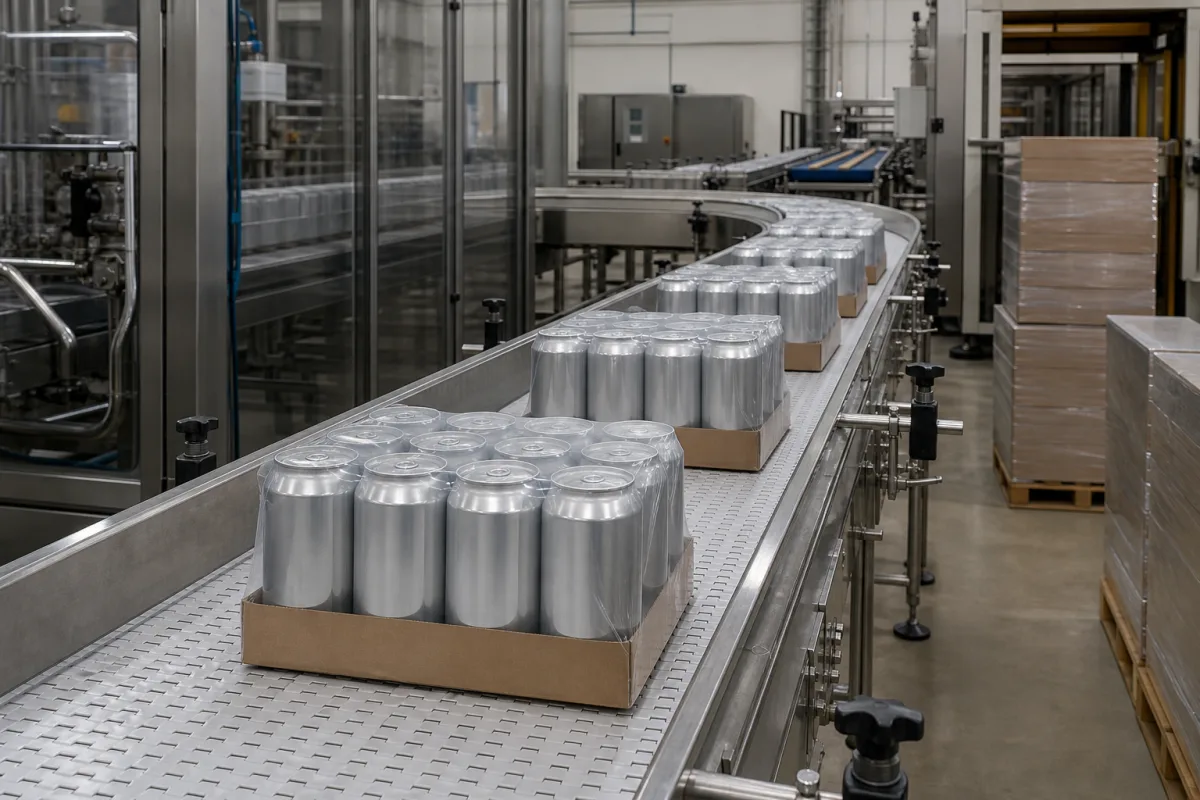
Representative product image. Confirm appearance and specifications with the manufacturer.

Product Specifications

Technical details and manufacturing context for Loading Conveyor

Definition
The Loading Conveyor is a component of the Automated Beverage Container Pressure Testing System. It receives beverage containers from upstream processes and precisely positions them for entry into the testing chamber. The conveyor ensures continuous, controlled feeding of containers to maintain testing throughput and system efficiency. It is typically used in beverage manufacturing facilities where containers must be tested for pressure integrity before filling or capping. The conveyor is designed to handle containers of various sizes and weights, with a conveying speed synchronized to the pressure tester cycle. It features a motor-driven belt or chain mechanism, side rails or guides for alignment, and sensors that detect container presence and position. The system controller coordinates loading with the testing cycle to prevent jams or delays. The conveyor is constructed with a stainless steel frame (grade 304 per ASTM A240) for corrosion resistance and a food-grade polyurethane belt for wear resistance and hygiene. Key parameters include conveyor width (600–1200 mm), maximum load capacity (50–200 kg), motor power (1.5–7.5 kW), conveying speed (0.2–0.8 m/s), positioning accuracy (±2 mm), power supply (380–480 V AC, three-phase, 50/60 Hz, per IEC 60038), operating temperature (0–40 °C), ingress protection (IP54–IP65 per IEC 60529), overall dimensions (3000–8000 mm length × 800–1500 mm width × 800–1200 mm height), and weight (500–2000 kg). These values are reference ranges and must be confirmed for the specific model and application. The conveyor is intended for indoor installation. It is not a standalone product but a component that integrates with the pressure testing system. Buyers should verify compatibility with their existing system, including electrical connections, control interfaces, and physical dimensions. Maintenance signals include unusual noise, belt wear, or misalignment. Failure boundaries include overload beyond the rated capacity, operation outside the specified temperature range, or exposure to environments exceeding the ingress protection rating. Always consult the legal manufacturer or supplier for model-specific values, standards compliance, and installation requirements.
Working Principle
The conveyor operates using a motor-driven belt or chain mechanism that moves containers along a predetermined path. Containers are guided by side rails or guides to maintain alignment. Sensors detect container presence and position, coordinating with the system controller to synchronize loading with the testing cycle. The motor power and speed are adjustable to match the required throughput. The belt material is food-grade polyurethane, which provides wear resistance and is suitable for direct contact with beverage containers. The stainless steel frame ensures structural integrity and corrosion resistance. The conveyor's positioning accuracy of ±2 mm ensures that containers are correctly aligned for entry into the testing chamber. The system is designed to operate within a temperature range of 0–40 °C and is protected against dust and water spray to IP54–IP65. The conveyor's speed is synchronized with the pressure tester cycle to ensure continuous, controlled feeding.
Common Materials
Stainless Steel, Food-grade Polyurethane
Technical Parameters
ParameterTypical rangeNotes & selection driver
Conveyor WidthRequired600–1200 mmWidth of the conveyor belt/surface
Maximum Load CapacityRequired50–200 kgMaximum weight the conveyor can handle
Motor PowerRequired1.5–7.5 kWPower rating of the drive motor
Conveying Speed0.2–0.8 m/sSynchronized with pressure tester cycle
Positioning Accuracy±2 mmEnsures correct container alignment
Power Supply380–480 V ACThree-phase, 50/60 HzIEC 60038
Operating Temperature0–40 °CFor indoor installation
Ingress ProtectionIP54–IP65Dust and water spray protectionIEC 60529
Frame Material304Stainless steel for corrosion resistanceASTM A240
Belt MaterialPUFood-grade, wear-resistant
Overall Dimensions3000–8000×800–1500×800–1200 mmLength × width × height
Weight500–2000 kgDepends on length and configuration

Ranges are indicative industry figures for RFQ preparation, not a supplier commitment. Confirm every value and standard with the legal manufacturer before ordering.

Components / BOM
  • Drive Motor
    Provides power to move the conveyor belt
    Material: Cast Iron Housing, Copper Windings
  • Conveyor Belt
    Surface that carries containers through the loading process
    Material: Food-grade Polyurethane with Fabric Reinforcement
  • Guide Rails Part
    Maintain container alignment during transport
    Material: Stainless Steel
  • Proximity Sensors
    Detect container presence and position for system coordination
    Material: Plastic Housing, Electronic Components
  • Conveyor Frame
    Carries the belt, rollers and guides, and sets the line height.
    Material: Stainless steel

Industry Taxonomies & Aliases

Commonly used trade names and technical identifiers for Loading Conveyor.

Applied To / Applications

This component is essential for the following industrial systems and equipment:

Industrial Ecosystem & Supply Chain Structure

Complementary Systems
Downstream Applications
Specialized Tooling

Application Fit & Sizing Matrix

Operational Limits
pressure: Atmospheric (non-pressurized system)
other spec: Max load capacity: 500 kg/m, Speed range: 0.1-1.5 m/s, Container size range: 50-1000 mm diameter
temperature: 0°C to 50°C (ambient operating range)
Media Compatibility
✓ Glass bottles ✓ Aluminum cans ✓ PET plastic containers
Unsuitable: Corrosive chemical environments or abrasive particulate contamination
Sizing Data Required
  • Container dimensions and weight
  • Required throughput (units/hour)
  • Integration height with pressure testing system

Reliability & Engineering Risk Analysis

Failure Mode & Root Cause
Bearing failure
Cause: Inadequate lubrication leading to overheating and wear, or contamination from dust/debris causing abrasive damage
Belt misalignment/tracking issues
Cause: Improper tensioning, worn or damaged pulleys/rollers, or structural misalignment of conveyor frame
Maintenance Indicators
  • Unusual grinding or squealing noises from drive components
  • Visible belt edge wear or material spillage along conveyor path
Engineering Tips
  • Implement predictive maintenance with vibration analysis and infrared thermography to detect early bearing and alignment issues
  • Establish regular cleaning and inspection protocols for idlers, pulleys, and belt tracking systems to prevent premature wear

Indicative industry ranges for design and RFQ preparation. Confirm the exact figures and applicable standard with the manufacturer before specifying.

Compliance & Manufacturing Standards

Applicable Standards
ISO 5304:2023 - Conveyor belts - Specifications for rubber- or plastics-covered conveyor belts ANSI/CEMA 402-2003 - Belt Conveyors

Quoted from the published standard.

Manufacturing Precision
  • Belt tracking alignment: +/- 3 mm over 10 m length
  • Roller concentricity: +/- 0.05 mm on bearing journals
Quality Inspection
  • Non-destructive testing (NDT) of welds using Magnetic Particle Inspection
  • Load testing with 125% of rated capacity for structural integrity verification

Manufacturers of Loading Conveyor

3 companies list this product among what they make. Company figures are quoted from each company's own website; every card states where the relationship came from.

MMSTACKER
Shanghai, CN
Founded 201330,000 m²
Listed on the company's own website · profile compiled by CNFX from public sources
SKE Machinery
Shanghai, CN
60000 m2
Listed on the company's own website · profile compiled by CNFX from public sources
Suzhou APOLLO Automation Equipment Co., Ltd.
Suzhou, Jiangsu, CN
Listed on the company's own website · profile compiled by CNFX from public sources

Manufacturer listings support early research and capability understanding. They are not certification, ranking, or transaction guarantees.

Technical documentation
Request current drawings, revision history, and a signed specification sheet.
Manufacturing capability
Verify equipment lists, process limits, capacity, and representative production evidence.
Inspection readiness
Confirm test methods, calibrated equipment, sampling plans, and traceable reports.
Supplier transparency
Check the legal entity, factory address, ownership, certifications, and direct contacts.

CNFX does not score or rank suppliers. Buyers must verify all claims and documents with the legal manufacturer before ordering.

Supply Chain Compatible Machinery & Devices

Automated Beverage Container Integrity Testing System

Automated system for non-destructive testing of beverage container seals and structural integrity.

Explore Specs →
Automated Beverage Container Pressure Testing System

Automated system for testing beverage container pressure resistance and seal integrity.

Explore Specs →
Automated Beverage Container Leak Detection System

The Automated Beverage Container Leak Detection System is an industrial device designed for integration into bottling or canning lines.

Explore Specs →
Automated Beverage Container Depalletizing Machine

Industrial machine that automatically removes beverage containers from pallets for production line feeding

Explore Specs →

Frequently Asked Questions

What is the typical conveying speed range for this loading conveyor?

The conveying speed is typically in the range of 0.2 to 0.8 m/s, synchronized with the pressure tester cycle. However, the exact speed depends on the specific model and the requirements of the testing system. Always verify with the manufacturer for your application.

What materials are used in the construction of the loading conveyor?

The frame is made of stainless steel, specifically grade 304 per ASTM A240, for corrosion resistance. The belt is made of food-grade polyurethane, which is wear-resistant and suitable for contact with beverage containers. These materials are specified in the product data.

What is the ingress protection rating of the conveyor?

The conveyor has an ingress protection rating of IP54 to IP65 per IEC 60529, providing protection against dust and water spray. This makes it suitable for indoor installation in beverage manufacturing environments. Confirm the exact rating for your model with the supplier.

Can the loading conveyor be integrated with an existing pressure testing system?

The conveyor is designed as a component of the Automated Beverage Container Pressure Testing System. Integration depends on compatibility of dimensions, control interfaces, and electrical connections. You should consult the legal manufacturer or supplier to verify that the conveyor meets your system's requirements.

Data Basis

Editorial classification, named public sources where available, and source-reviewed manufacturer records.

Preliminary Technical Classification
This page supports structured research, RFQ preparation, and supplier evaluation. It does not replace buyer-led supplier qualification, standards review, or technical approval.
Buyer enquiry

Request manufacturing insight for Loading Conveyor

Ask for use case, specification boundaries, supplier type, and RFQ preparation information for this product.

Where it goes
Straight to the CNFX editorial desk, and to the manufacturer if this product is linked to a claimed profile. Nothing is broadcast to a supplier list.
Your details stay here
We do not sell or rent enquiry data, and we do not add you to a mailing list. Used only to answer this request.
No commission, no middleman
CNFX is a directory. We take no cut of any order and never negotiate on a supplier's behalf.
What we don't claim
A listing is not an endorsement. Qualify every supplier and verify every figure yourself before ordering.

Your business information is used only to process this request.

Thank you! Your message has been sent. We'll respond within 1–3 business days.
Sorry, we couldn't send your message. Please try again, or email us at contact@cnfx.com.

Need to Manufacture Loading Conveyor?

Compare manufacturer profiles with relevant product and process capability.

Previous Product
Vacuum Gripper End-Effector
Last Product
Get QuotesChat