Slurry Supply System
View system integration details
This page explains how Distribution Manifold is classified within Machinery and Equipment Manufacturing. Technical values and manufacturer relationships are research references; confirm the current specification and supplier evidence for each order.
A piping component that divides a single slurry flow into multiple parallel streams for distribution to different points in the system.
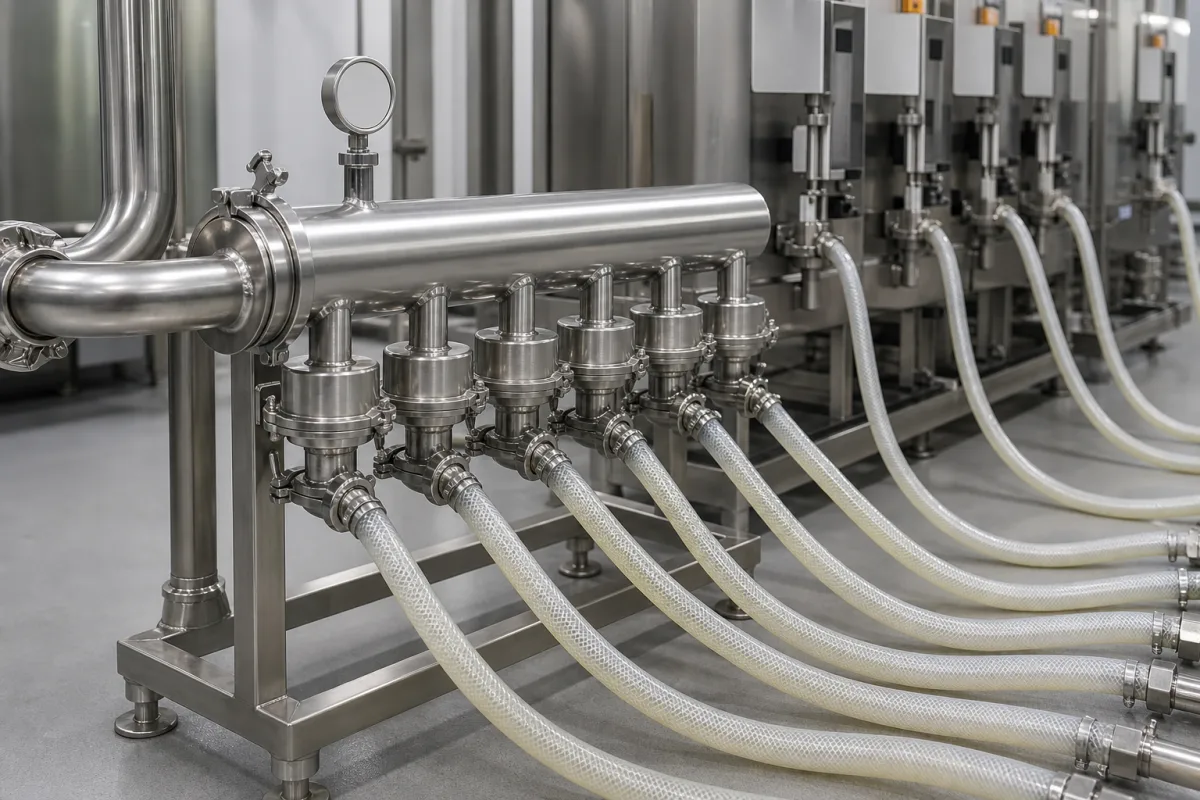
Technical details and manufacturing context for Distribution Manifold
What to specify in your RFQ
These are the quantities to specify to the manufacturer when sizing or requesting a quote. The manufacturer's own documentation governs the exact figures and applicable standard.
| pressure: | Up to 10 bar (150 psi) |
| flow rate: | Up to 500 m³/h |
| temperature: | -20°C to 150°C |
| slurry concentration: | Up to 40% solids by weight |
Indicative industry ranges for design and RFQ preparation. Confirm the exact figures and applicable standard with the manufacturer before specifying.
Quoted from the published standard.
A practical evidence checklist for RFQ preparation and supplier evaluation.
Compare the published product scope and source details, then include your specifications and quantity in an enquiry.
Manufacturer profiles associated with Distribution Manifold.
Explore company information and manufacturing capabilities, then discuss the scope of your project with a relevant supplier.
Ask for use case, specification boundaries, supplier type, and RFQ preparation information for this product.
The primary function is to receive slurry from a main supply line and divide it into multiple parallel streams, directing them to different downstream points. This ensures balanced flow distribution and prevents pressure imbalances.
According to the source facts, Stainless Steel 316L is a material on file. This grade is often chosen for its corrosion resistance and durability in abrasive environments, but always confirm the actual material with the manufacturer.
The nominal diameter of the inlet and outlet ports, measured in millimeters, is a critical specification. It must match the system's piping and flow requirements. Other parameters like pressure rating and flow capacity should also be confirmed with the supplier.
Even distribution depends on the manifold's internal design, proper sizing, and installation. Some models may include pressure balancing features or flow control valves. It is essential to verify performance under actual operating conditions and consult the manufacturer for guidance.
This component is essential for the following industrial systems and equipment:
Editorial classification, named public sources where available, and source-reviewed manufacturer records.
Compare manufacturer profiles with relevant product and process capability.