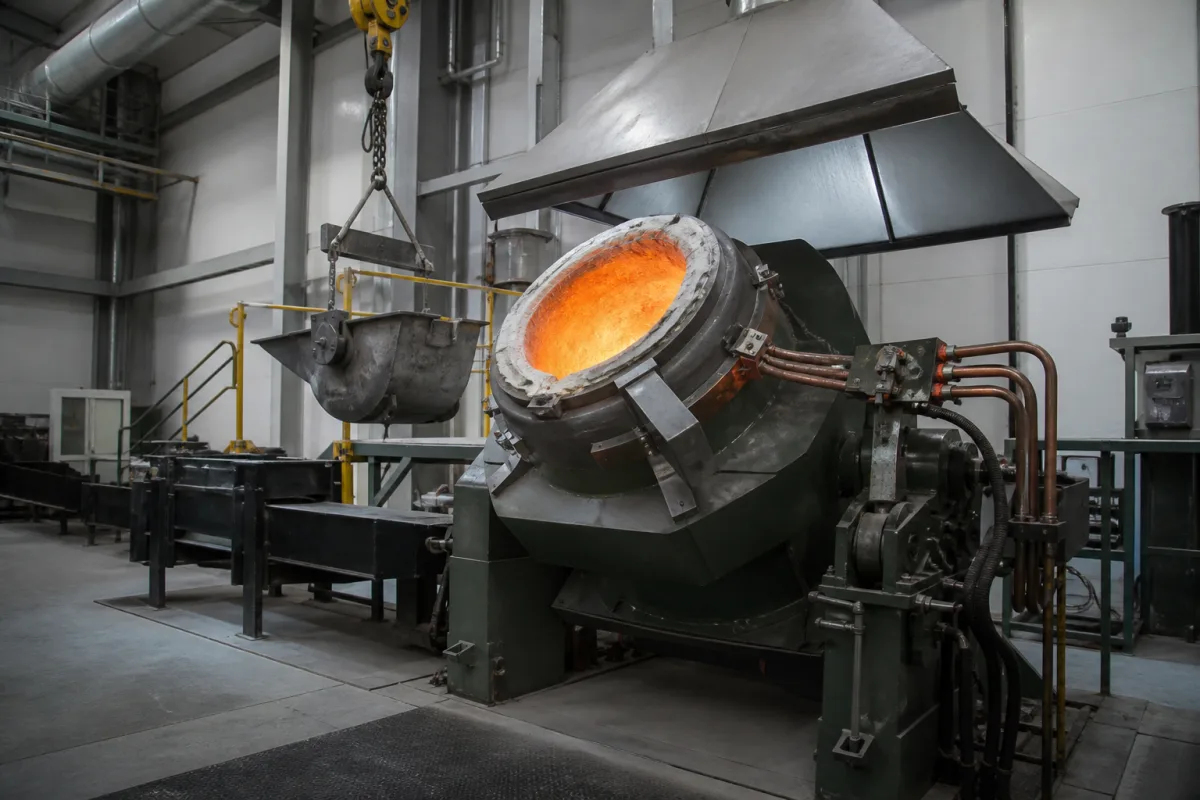
Based on aggregated insights from multiple verified factory profiles within the CNFX directory, the standard Induction Melting Furnace used in the Basic Metal Manufacturing sector typically supports operational capacities ranging from standard industrial configurations to heavy-duty production requirements.
A canonical Induction Melting Furnace is characterized by the integration of Induction Coil and Refractory Crucible. In industrial production environments, manufacturers listed on CNFX commonly emphasize Refractory Lining construction to support stable, high-cycle operation across diverse manufacturing scenarios.
Industrial furnace using electromagnetic induction to melt metals for casting
Technical details and manufacturing context for Induction Melting Furnace
Commonly used trade names and technical identifiers for Induction Melting Furnace.
| pressure: | Atmospheric (non-pressurized operation) |
| power input: | 50 kW to 10 MW depending on furnace size |
| temperature: | Up to 1800°C (3272°F) for typical metals, higher for specialized alloys |
| melt capacity: | 50 kg to 20 tons per batch |
| frequency range: | 50 Hz to 10 kHz (line frequency to medium frequency) |
Verified manufacturers with capability to produce this product in China
✓ 92% Supplier Capability Match Found
Authentic performance reports from verified B2B procurement managers.
"Found 57+ suppliers for Induction Melting Furnace on CNFX, but this spec remains the most cost-effective."
"The technical documentation for this Induction Melting Furnace is very thorough, especially regarding Melting Capacity (kg)."
"Reliable performance in harsh Basic Metal Manufacturing environments. No issues with the Induction Melting Furnace so far."
“Feedback is collected from verified sourcing managers during RFQ (Request for Quote) and factory evaluation processes on CNFX. These reports represent historical performance data and technical audit summaries from our B2B manufacturing network.”
Induction melting furnaces can melt various metals including iron, steel, aluminum, copper, brass, and other non-ferrous metals commonly used in foundry applications.
The refractory lining protects the furnace structure from extreme temperatures, contains molten metal, and improves thermal efficiency. Proper lining selection extends furnace life and reduces maintenance costs.
Regular maintenance includes inspecting refractory lining for wear, checking cooling system functionality, monitoring coil insulation, and ensuring proper electrical connections for optimal performance and safety.
CNFX is an open directory, not a transaction platform. Each factory profile provides direct contact information and production details to help you initiate direct inquiries with Chinese suppliers.
Request technical pricing, lead times, or customized specifications for Induction Melting Furnace directly from verified manufacturing units.
Connect with verified factories specializing in this product category