Cutting Torch
View system integration details
This page explains how Nozzle is classified within Fabricated Metal Product Manufacturing. Technical values and manufacturer relationships are research references; confirm the current specification and supplier evidence for each order.
A precision component of a cutting torch that directs and shapes the flow of fuel-oxygen mixture for controlled metal cutting.
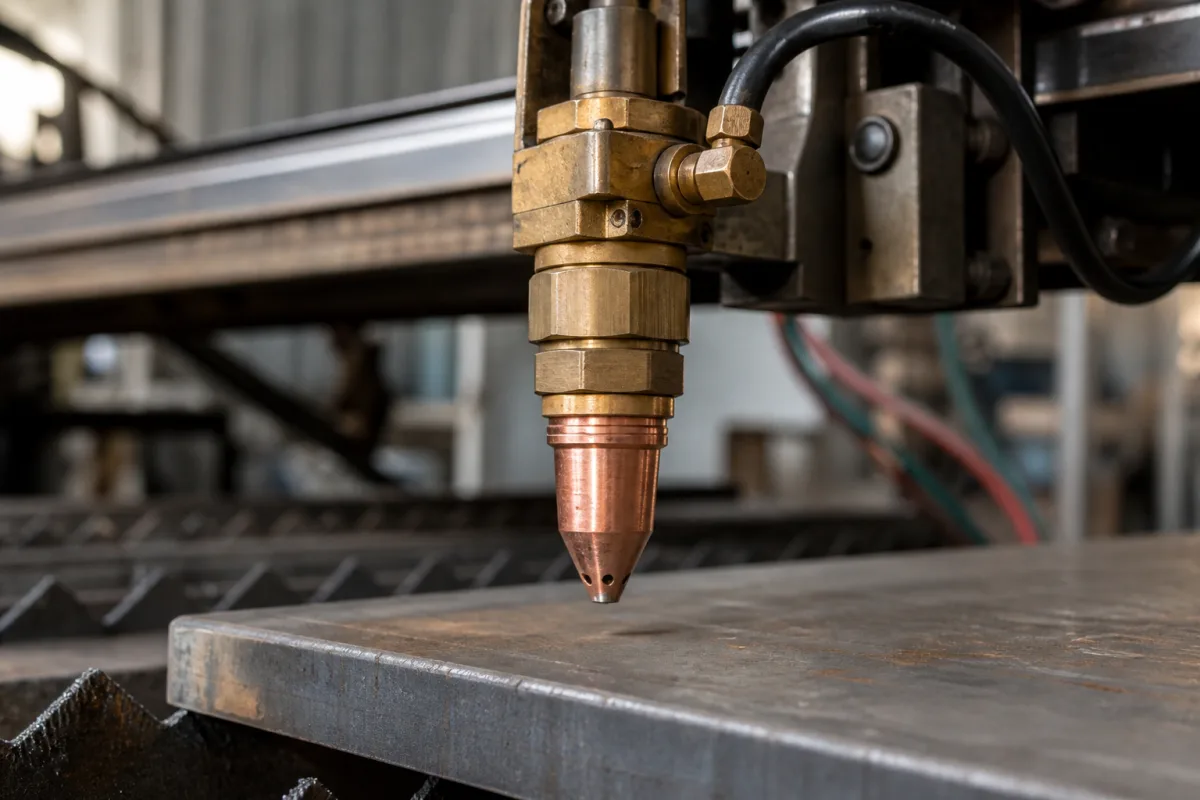
Technical details and manufacturing context for Nozzle
What to specify in your RFQ
These are the quantities to specify to the manufacturer when sizing or requesting a quote. The manufacturer's own documentation governs the exact figures and applicable standard.
| pressure: | Max 150 psi (10.3 bar) operating pressure |
| flow rate: | 0.5-15 SCFM (14-425 L/min) fuel-oxygen mixture |
| temperature: | Up to 500°C (932°F) continuous, 800°C (1472°F) peak |
| slurry concentration: | Not applicable - designed for gas mixtures only |
Indicative industry ranges for design and RFQ preparation. Confirm the exact figures and applicable standard with the manufacturer before specifying.
Quoted from the published standard.
A practical evidence checklist for RFQ preparation and supplier evaluation.
Compare the published product scope and source details, then include your specifications and quantity in an enquiry.
Manufacturer profiles associated with Nozzle.
Explore company information and manufacturing capabilities, then discuss the scope of your project with a relevant supplier.
Ask for use case, specification boundaries, supplier type, and RFQ preparation information for this product.
The nozzle directs and shapes the flow of the fuel-oxygen mixture exiting the torch, controlling the flame's velocity, shape, and concentration. This determines cutting speed, quality, and kerf width.
Copper and brass are commonly used due to their thermal conductivity and machinability. The specific material grade should be confirmed with the manufacturer.
Select based on the fuel type (e.g., acetylene, propane, natural gas) and the thickness of the metal to be cut. The orifice diameter, specified in millimeters, must match these parameters. Always verify with the torch manufacturer's recommendations.
Signs include a distorted flame shape, reduced cutting speed, excessive slag, or increased fuel consumption. These indicate wear or damage, and the nozzle should be replaced to maintain cut quality and safety.
This component is essential for the following industrial systems and equipment:
Editorial classification, named public sources where available, and source-reviewed manufacturer records.
Compare manufacturer profiles with relevant product and process capability.