Insulated Heating Chamber
View system integration details
This page explains how Access Door is classified within Machinery and Equipment Manufacturing. Technical values and manufacturer relationships are research references; confirm the current specification and supplier evidence for each order.
A sealed entry point on an insulated heating chamber that allows for inspection, maintenance, and loading/unloading of materials while maintaining thermal integrity.
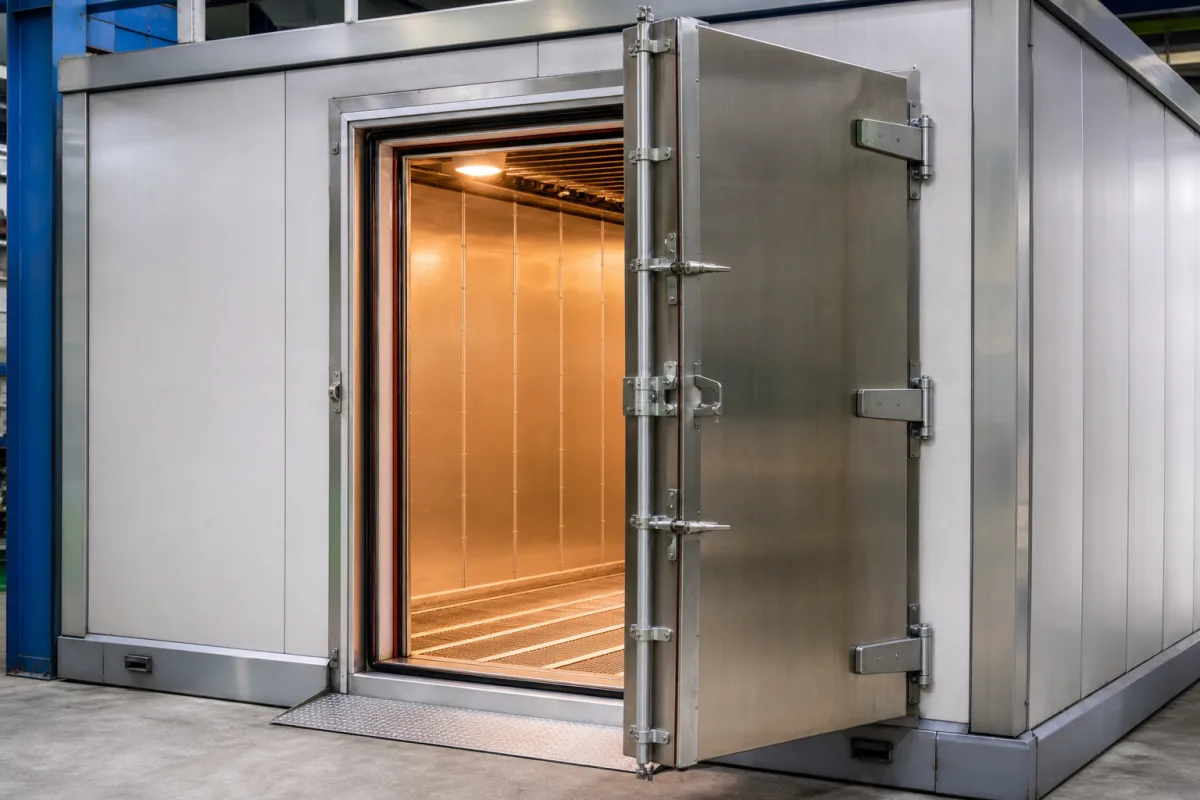
Technical details and manufacturing context for Access Door
What to specify in your RFQ
These are the quantities to specify to the manufacturer when sizing or requesting a quote. The manufacturer's own documentation governs the exact figures and applicable standard.
| pressure: | Up to 10 bar (standard), up to 25 bar with reinforced construction |
| other spec: | Thermal conductivity ≤0.05 W/m·K, Leak rate ≤1×10⁻⁶ mbar·l/s |
| temperature: | -40°C to +200°C (standard), up to +400°C with specialized seals |
Indicative industry ranges for design and RFQ preparation. Confirm the exact figures and applicable standard with the manufacturer before specifying.
Quoted from the published standard.
A practical evidence checklist for RFQ preparation and supplier evaluation.
Compare the published product scope and source details, then include your specifications and quantity in an enquiry.
Manufacturer profiles associated with Access Door.
Explore company information and manufacturing capabilities, then discuss the scope of your project with a relevant supplier.
Ask for use case, specification boundaries, supplier type, and RFQ preparation information for this product.
The access door is constructed from stainless steel and includes insulation materials such as ceramic fiber or mineral wool, along with high-temperature sealing gaskets. These materials help maintain thermal integrity and prevent heat loss.
The door dimensions (width × height × thickness) and opening size are specified in millimeters. You must verify these specifications with the legal manufacturer or supplier to ensure compatibility with your specific heating chamber.
Regular inspection of the sealing gasket and insulation is recommended. Signs of wear, such as heat leakage or difficulty in sealing, indicate the need for maintenance or replacement of the gasket or insulation.
Yes, the access door is designed for use in insulated heating chambers, which operate at elevated temperatures. However, the specific temperature rating depends on the materials and design, so you must confirm the maximum operating temperature with the manufacturer.
This component is essential for the following industrial systems and equipment:
Editorial classification, named public sources where available, and source-reviewed manufacturer records.
Compare manufacturer profiles with relevant product and process capability.