Data Acquisition Module
View system integration details
This page explains how Power Supply Circuit is classified within Computer, Electronic and Optical Product Manufacturing. Technical values and manufacturer relationships are research references; confirm the current specification and supplier evidence for each order.
Electronic circuit that provides regulated power to components within a Data Acquisition Module
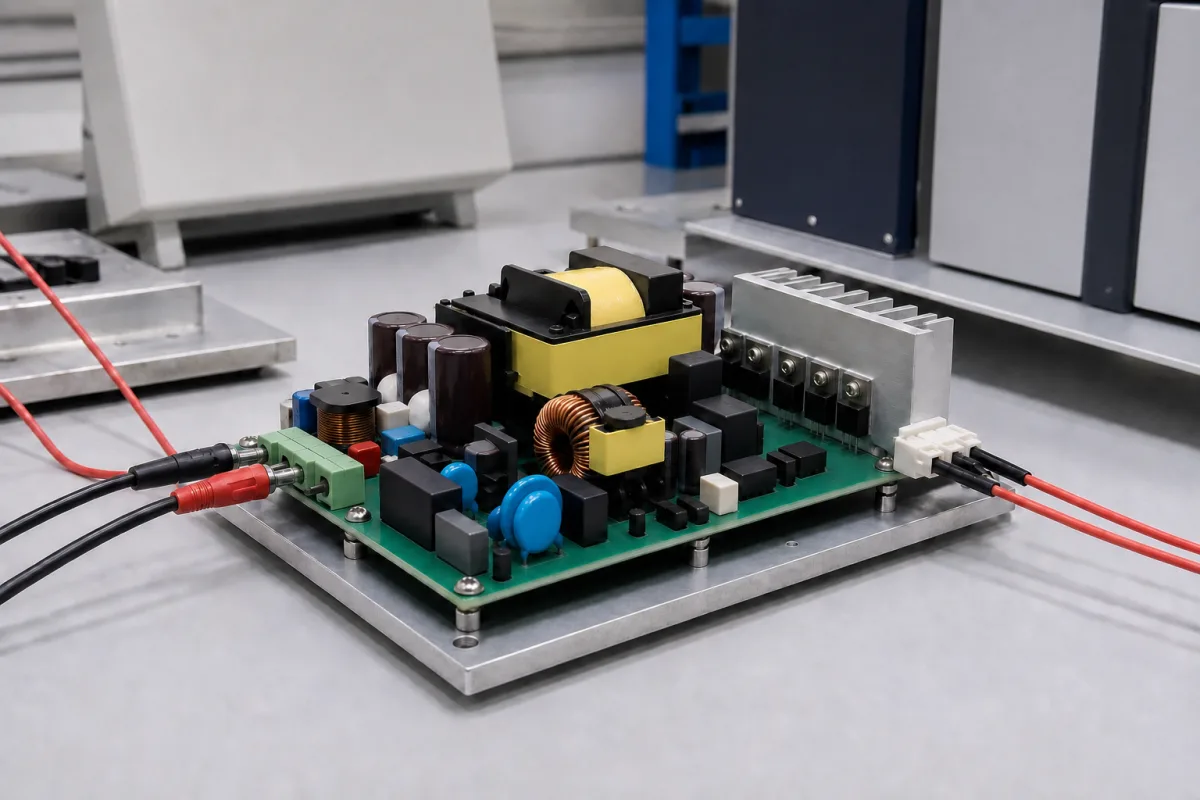
Technical details and manufacturing context for Power Supply Circuit
What to specify in your RFQ
These are the quantities to specify to the manufacturer when sizing or requesting a quote. The manufacturer's own documentation governs the exact figures and applicable standard.
| pressure: | Atmospheric (non-pressurized) |
| other spec: | Input Voltage Range: 85-265V AC, 47-63Hz |
| temperature: | -40°C to +85°C |
Indicative industry ranges for design and RFQ preparation. Confirm the exact figures and applicable standard with the manufacturer before specifying.
Quoted from the published standard.
A practical evidence checklist for RFQ preparation and supplier evaluation.
Compare the published product scope and source details, then include your specifications and quantity in an enquiry.
Manufacturer profiles associated with Power Supply Circuit.
Explore company information and manufacturing capabilities, then discuss the scope of your project with a relevant supplier.
Ask for use case, specification boundaries, supplier type, and RFQ preparation information for this product.
It converts and regulates input power to stable DC voltage levels required by sensors, ADCs, microcontrollers, and communication interfaces, ensuring accurate data acquisition.
It includes a PCB, semiconductors (ICs, transistors, diodes), passive components (resistors, capacitors, inductors), and connectors for input and output connections.
Verify the output voltage range and regulation accuracy (specified in volts) with the manufacturer, as well as current capacity and any applicable standards.
Monitor for voltage drift, excessive heat, or intermittent operation. If these occur, replace the circuit with a compatible unit from the manufacturer.
This component is essential for the following industrial systems and equipment:
Editorial classification, named public sources where available, and source-reviewed manufacturer records.
Compare manufacturer profiles with relevant product and process capability.