Power Supply Unit
View system integration details
This page explains how Cooling Fan is classified within Machinery and Equipment Manufacturing. Technical values and manufacturer relationships are research references; confirm the current specification and supplier evidence for each order.
A fan component designed to dissipate heat from an industrial electromagnetic clutch-brake unit.
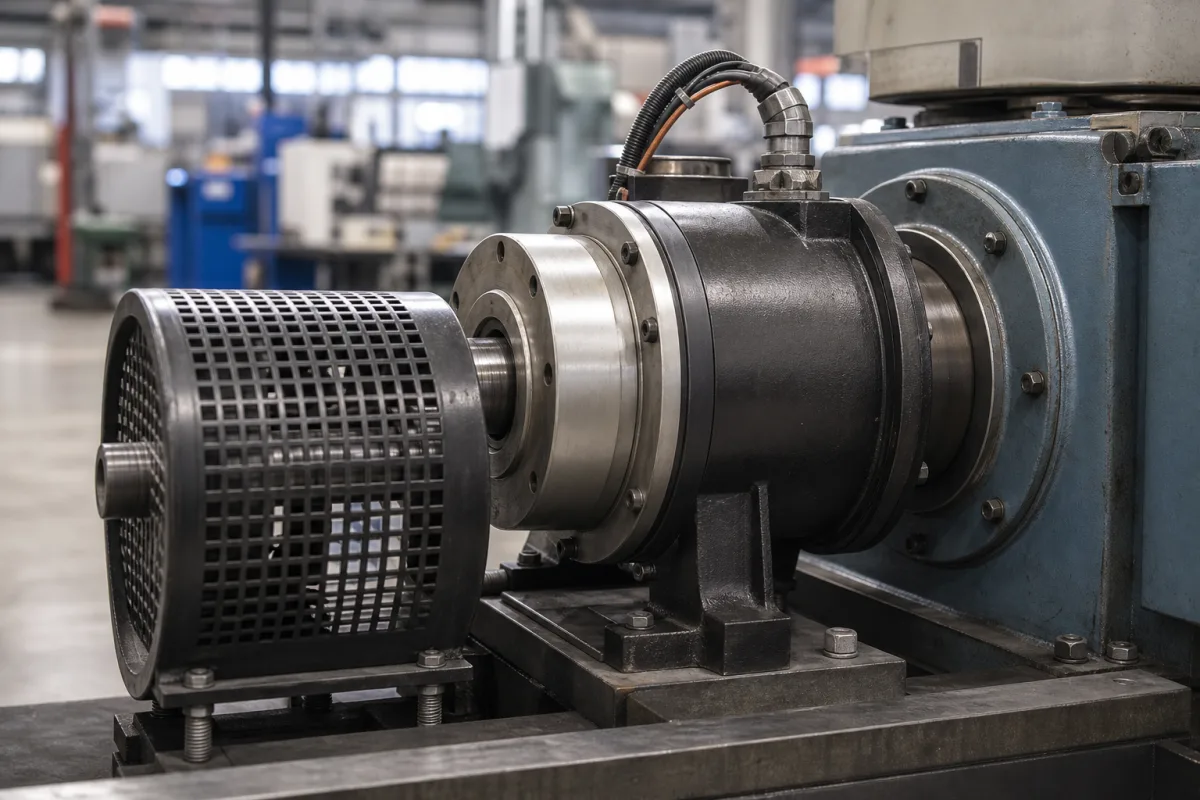
Technical details and manufacturing context for Cooling Fan
What to specify in your RFQ
These are the quantities to specify to the manufacturer when sizing or requesting a quote. The manufacturer's own documentation governs the exact figures and applicable standard.
| pressure: | Atmospheric pressure operation only (non-pressurized system) |
| other spec: | Air flow rate: 50-300 CFM typical, Power: 12-48 VDC, 0.5-3.0 A, IP54/IP55 ingress protection |
| temperature: | -20°C to +80°C (operating ambient), -40°C to +100°C (storage) |
Indicative industry ranges for design and RFQ preparation. Confirm the exact figures and applicable standard with the manufacturer before specifying.
Quoted from the published standard.
A practical evidence checklist for RFQ preparation and supplier evaluation.
Compare the published product scope and source details, then include your specifications and quantity in an enquiry.
Manufacturer profiles associated with Cooling Fan.
Explore company information and manufacturing capabilities, then discuss the scope of your project with a relevant supplier.
Ask for use case, specification boundaries, supplier type, and RFQ preparation information for this product.
The primary function is to dissipate heat generated during the operation of an electromagnetic clutch-brake unit, preventing thermal overload and maintaining optimal operating temperatures.
The fan is typically made from aluminum alloy or engineering plastics such as PBT or nylon, which offer good thermal and mechanical properties.
The fan diameter, measured in millimeters, is the key specification as it determines airflow capacity and physical fit within the clutch-brake housing.
You should consult the legal manufacturer or supplier to confirm the exact diameter, mounting configuration, and performance requirements for your specific model.
This component is essential for the following industrial systems and equipment:
Editorial classification, named public sources where available, and source-reviewed manufacturer records.
Compare manufacturer profiles with relevant product and process capability.